Content
20 October 2026
9
17 min
0.00
How to Generate Sales Leads? Practical Tips and Use Cases for 2026 and Beyond

Alina Yarova
Content
In 2026, driving traffic to an online store is only part of the challenge. Whether your ecommerce business runs on Magento or Shopify or another platform, attracting visitors is just the first step. Businesses also need to capture visitor interest, turn it into leads, and build relationships that eventually lead to a purchase.
In this article, we’ll break down how to generate sales leads for ecommerce: from the basic process and practical tactics to the most effective channels and common mistakes. We’ll also share real-world case studies and discuss how Yespo helps systematically collect, segment, and convert leads into customers.
Why It's Important to Generate Sales Leads
Generating sales leads isn’t just a way to collect more contact details from potential customers. For ecommerce, it’s the foundation of the sales funnel: a lead lets a business keep communicating with someone after their first visit, bring them back to the store, and gradually guide them toward a purchase. This matters most in categories with long decision-making cycles, high competition, or high customer acquisition costs.
At the same time, generating a high volume of leads does not necessarily mean success. An effective lead generation strategy should attract people who are genuinely interested in the product, offer meaningful value in exchange for their contact details, and use the collected data to build more relevant marketing communications over time.
How to Generate Sales Leads: Step-by-Step Process
1. Define Your Target Audience and Lead Criteria
The first step in generating sales leads is to define what a promising lead looks like for the business. In ecommerce, this could be a website visitor who provides their contact details, someone who has viewed several products and subscribed to updates, or an email newsletter subscriber.
2. Create a Relevant Lead Magnet or Offer
Users aren't always willing to provide their contact information just to subscribe. That's why businesses need to offer a clear benefit in exchange for it.
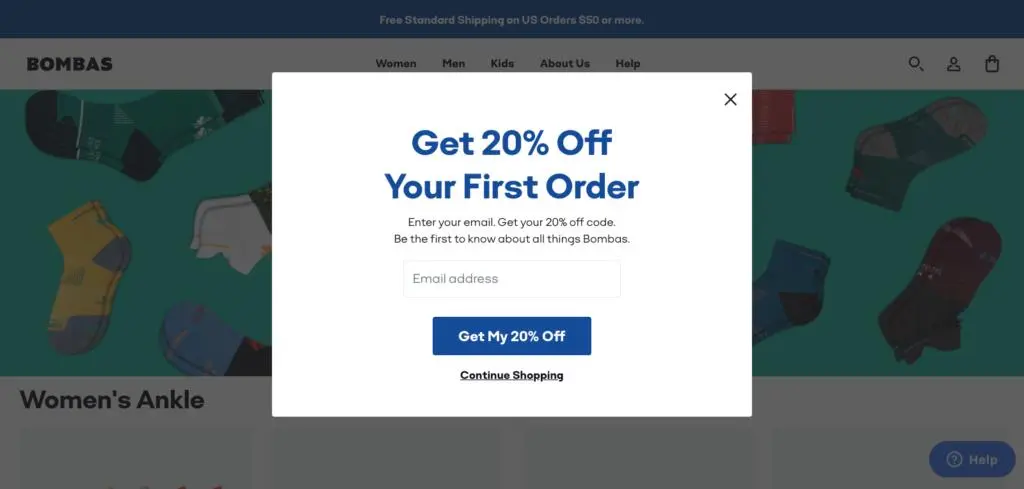
For ecommerce, this could include a discount on the first order, free shipping, early access to sales, a personalized product selection, a helpful guide, or participation in a loyalty program.
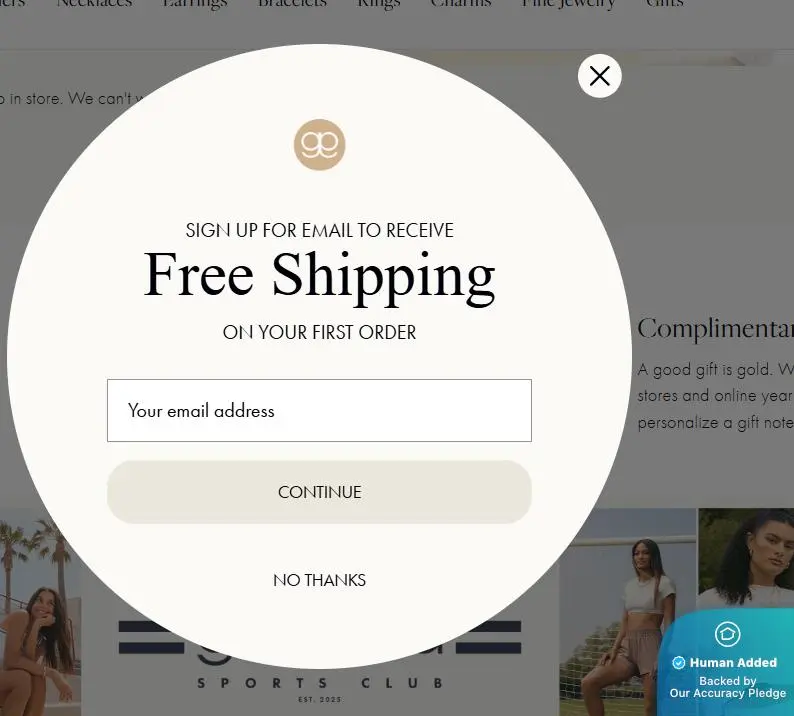
Lead capture forms work best when they appear where users are already showing interest. Common options include website pop-ups and subscription forms on landing pages or checkout pages, as well as lead capture tools on social media and messaging apps.
3. Unify and Enrich Customer Data
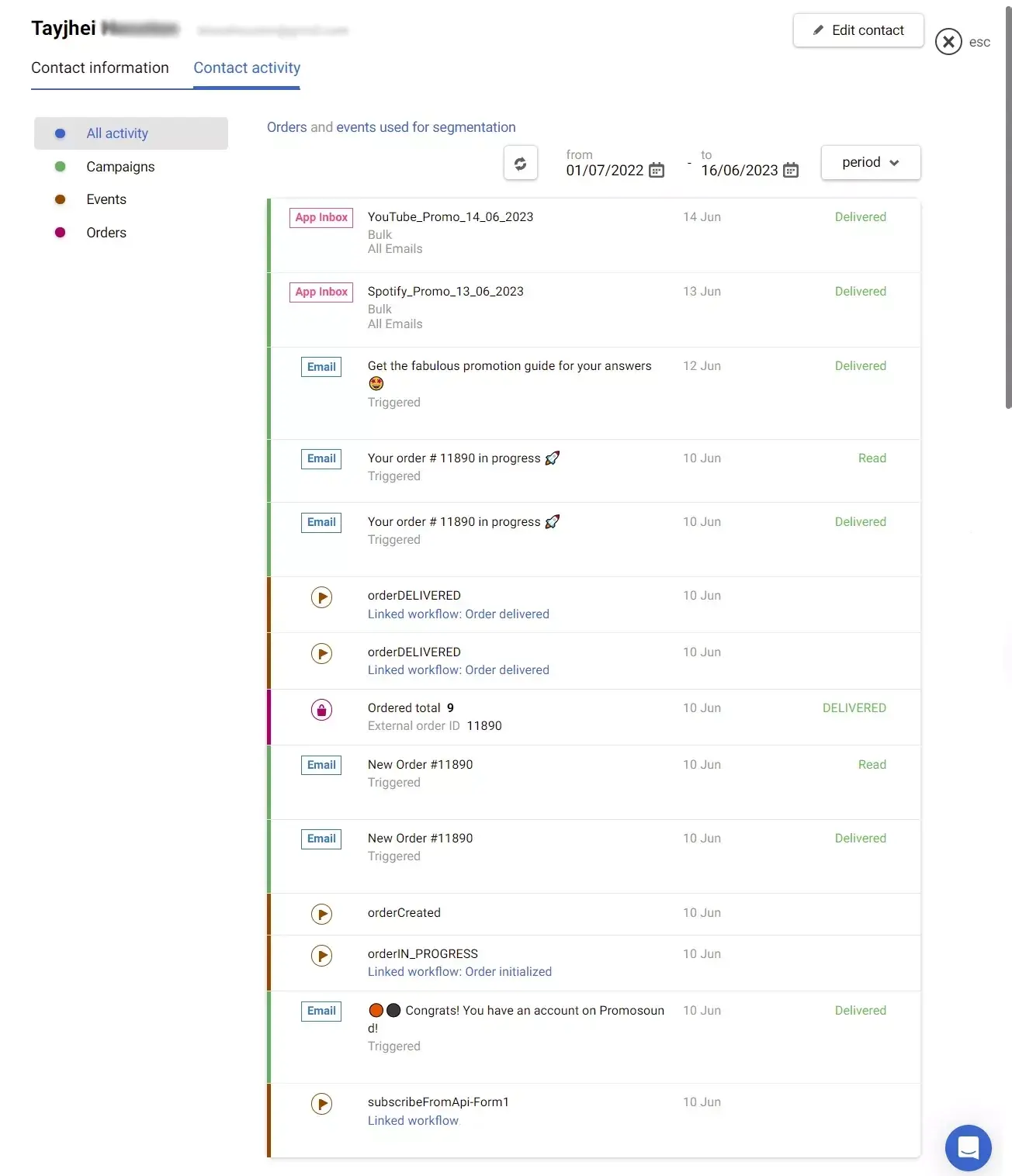
Once a contact has been captured, the next step is to consolidate their data. The data from the website, CRM, email platform, mobile app, and other sources should be brought together into a unified customer profile.
This allows you to supplement the profile with new data: which products they viewed, which campaigns they responded to, whether they returned to the site, and whether they made a purchase.
4. Segment Leads Based on Intent
Not all leads are at the same stage of the customer journey. A new subscriber, a user who has viewed a product several times, and someone who has added a product to their cart all require different types of communication.
Therefore, leads should be segmented by behavior, interests, source of acquisition, customer characteristics, and level of purchase intent. These segments make it possible to run more relevant campaigns and avoid sending the same messages to the entire database.
5. Automate Lead Nurturing
Once segmentation is set up, the next step is to automate communication. Instead of sending each message manually, the marketer creates workflows that respond to specific user actions.
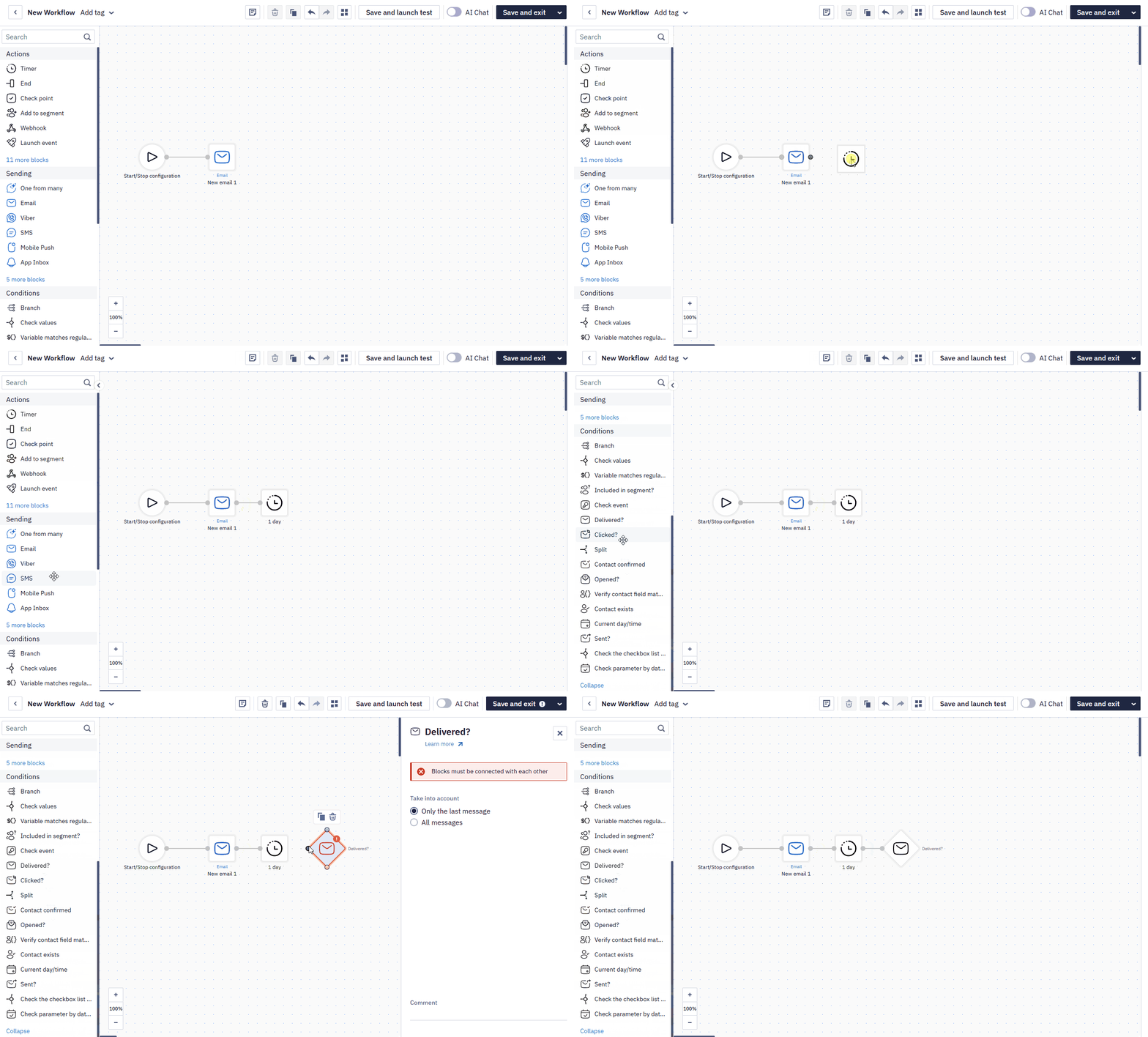
For example, after a user subscribes, you can automatically launch a welcome series; after viewing a product, a reminder or personalized recommendation; and after adding a product to the cart, an abandoned cart workflow. Automated workflows can also support a rebranding strategy by helping businesses prepare communications in advance, introduce the new brand philosophy and values, and attract new subscribers.
6. Measure Lead Generation Performance
The final step is to measure how effectively lead generation contributes to business results. Key metrics to track include conversion rate, cost per lead, lead-to-customer conversion rate, revenue generated from leads, and other metrics relevant to the business model.
>> Learn more about how to measure lead generation performance in our article, “8 Google Analytics Alternatives.”
Practical Tips to Generate Sales Leads in 2026
1. Use Gamified Pop-Ups and Spin-to-Win
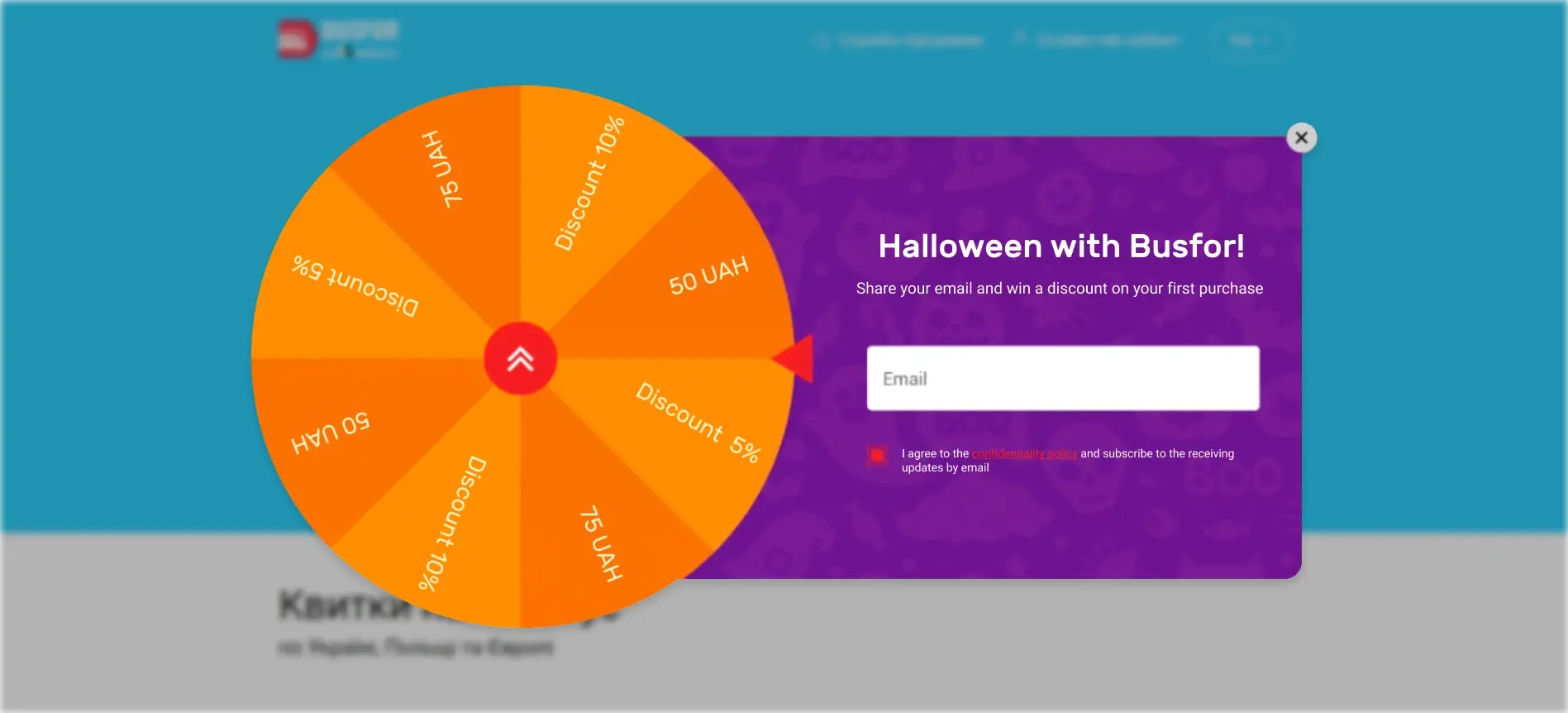
A gamified pop-up can turn a standard sign-up form into an interactive experience. For example, a user enters their email address to spin a wheel and receive a discount, free shipping, or a gift. This approach also includes scratch cards, mystery boxes, and other gamified mechanics.
Busfor, a bus carrier company, created a gamification campaign called Spin-to-Win to generate sales leads. As part of the campaign, users could receive a personalized bonus by providing their contact information and spinning the wheel of fortune.
2. Offer a Discount in Exchange for a Subscription
One of the simplest strategies is to offer a bonus for subscribing to your email list or another owned channel. This could be 10% off the first order, free shipping, a gift, or a special offer for new subscribers.
But a discount alone does not constitute a comprehensive lead generation strategy. Once you’ve obtained a contact, it’s important to launch a welcome series that introduces the user to the brand, its products, and the store’s benefits.
3. Build Product Recommendation Quizzes
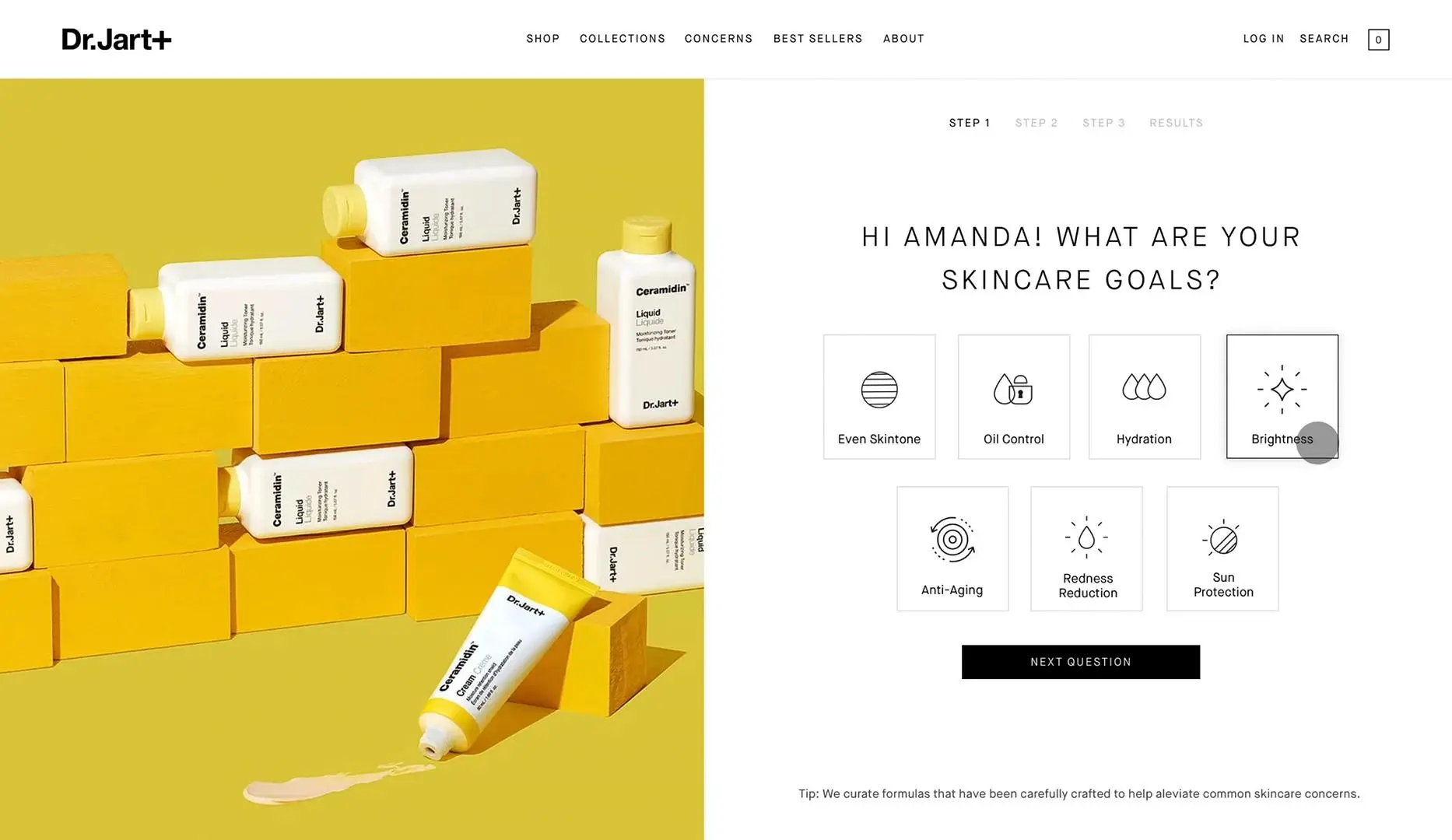
Another way to generate sales leads is through quiz funnels, a tactic widely used by beauty brands. They work particularly well for stores with a wide range of products or products that require customers to choose based on their individual needs. The user answers a few questions — for example, about skin type, style, budget, or goals — and receives a personalized recommendation.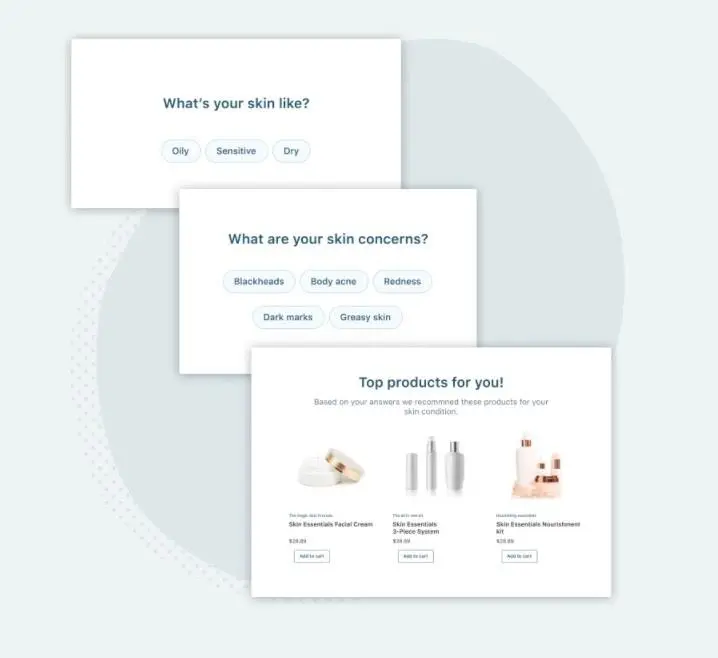
4. Turn Referrals Into a Lead Generation Channel
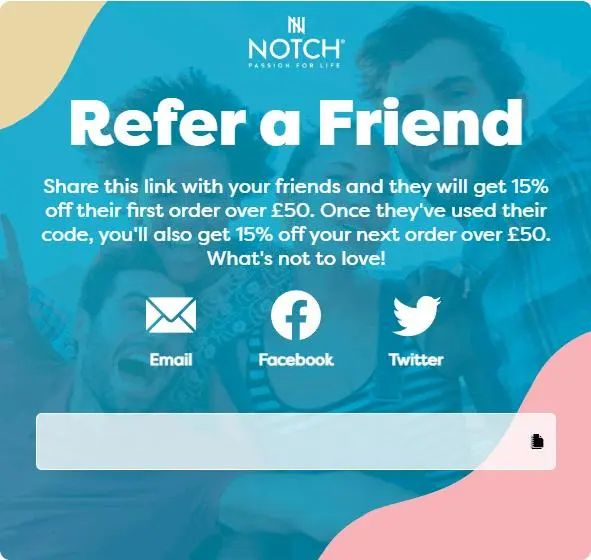
Existing customers can refer new potential buyers through the referral program. The classic model is “refer a friend and get a bonus,” where either both parties or the referring customer receives a reward.
5. Use Social Media and UGC to Capture Interest
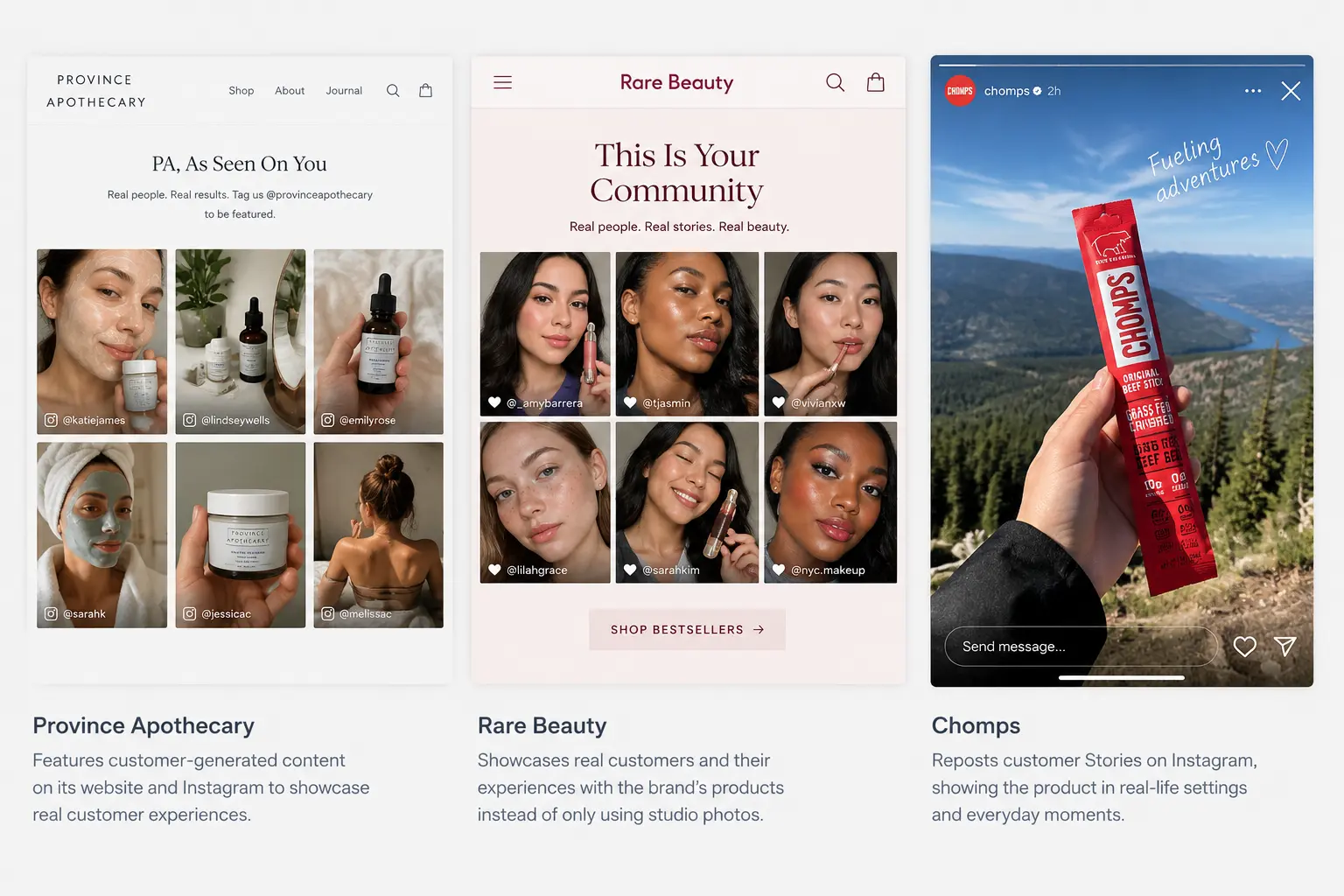
Social media can serve not only as a source of reach but also as a hub for attracting potential customers. Brands can use UGC, creator content, product demonstrations, and customer stories to showcase their products in real-world use.
To convert engagement into a lead, include a clear CTA: visit the landing page, take a quiz, get a promo code, or sign up for a special offer. According to a 2026 Shopify article, social media posts featuring UGC can achieve higher conversion rates and help build brand trust.
6. Retarget Visitors Who Didn't Convert
Not every visitor is ready to provide their contact information or make a purchase during their first visit. Retargeting allows you to reach out again to users who have already interacted with the brand and try to generate sales leads.
The key to effectiveness is using behavioral context, since someone who has viewed a specific category or product doesn’t necessarily need to see a general ad for the store. Segments based on first-party data can be used for more relevant targeting and personalized offers.
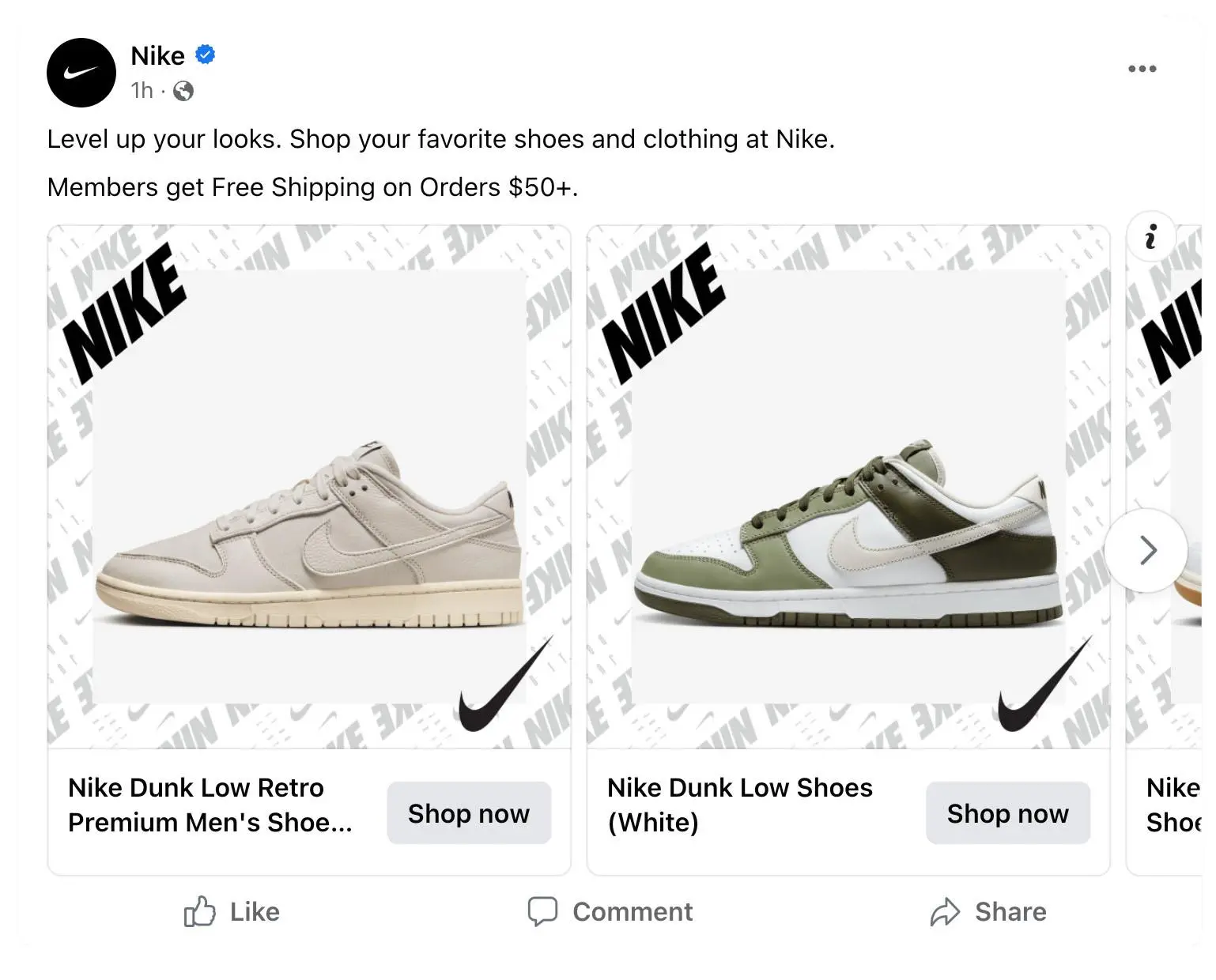
7. Run Contests and Giveaways
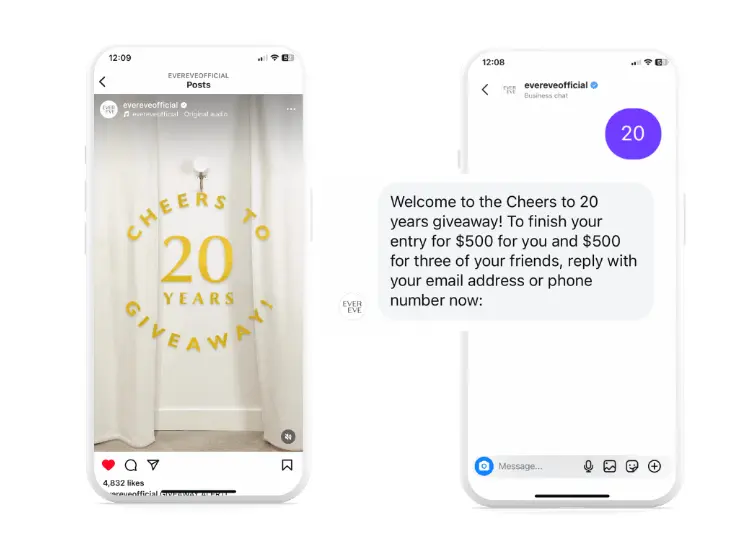
To celebrate its 20th anniversary, fashion retailer Evereve launched an Instagram giveaway offering a $2,000 shopping spree. Participants entered by engaging with the brand's Instagram post and sending a keyword via direct message. The campaign attracted 4,800 entries in five days, with 91% of participants joining the brand's email or SMS lists.
8. Use Exit-Intent and Behavioral Triggers
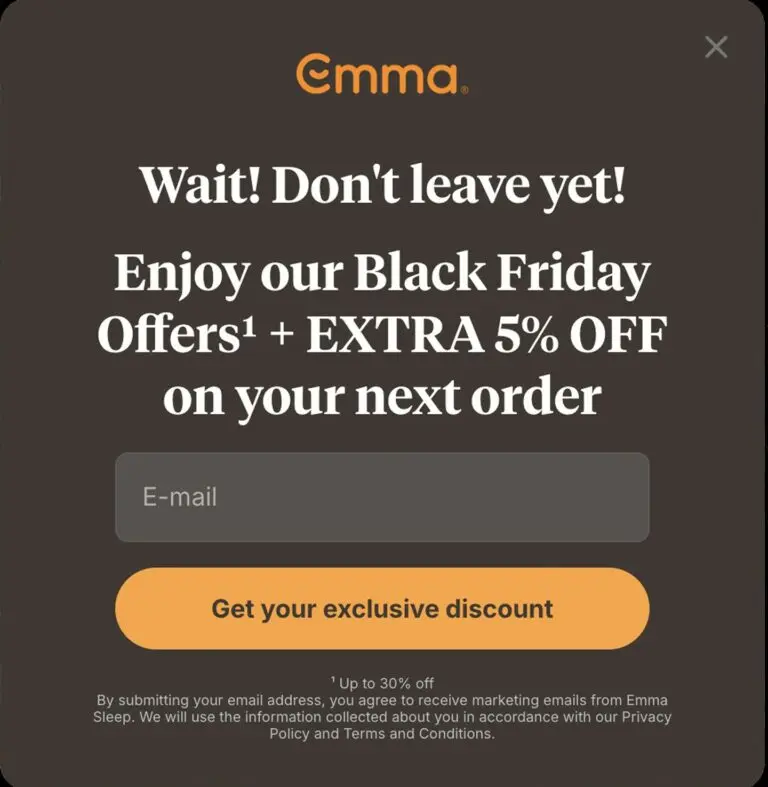
Exit-intent pop-ups should be viewed not as one-size-fits-all discount offers, but as a way to engage a user just as they’re about to leave the site. Instead of a general discount, you can offer a subscription to restock alerts, a personalized selection, or a product reminder.
9. Connect Every Lead to Automated Nurturing
Generating leads is only half the battle. The next step is to automate how you nurture them. For example, a new subscriber might be added to a welcome workflow, a quiz participant might be placed in a segment with personalized recommendations, and a user who abandoned their cart might be routed to the appropriate abandoned cart workflow.
Best Channels to Generate Sales Leads for Your Store
No single lead generation channel works equally well for all ecommerce businesses. For most stores, the best results come from a combination of several touchpoints linked by a unified customer profile.
Website Forms and Pop-Ups
A website is one of the key owned channels for generating leads, since the user is already within the brand’s ecosystem. Subscription forms can be placed on the homepage, in the blog, in categories, on product pages, or during checkout.
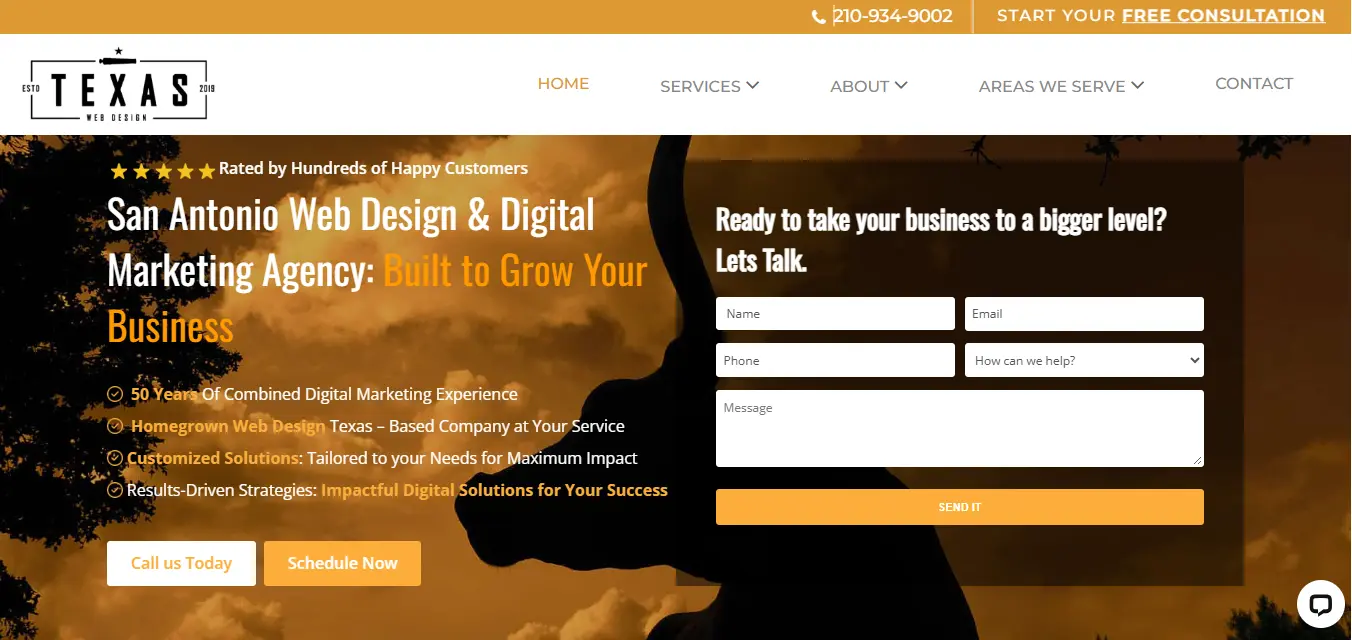
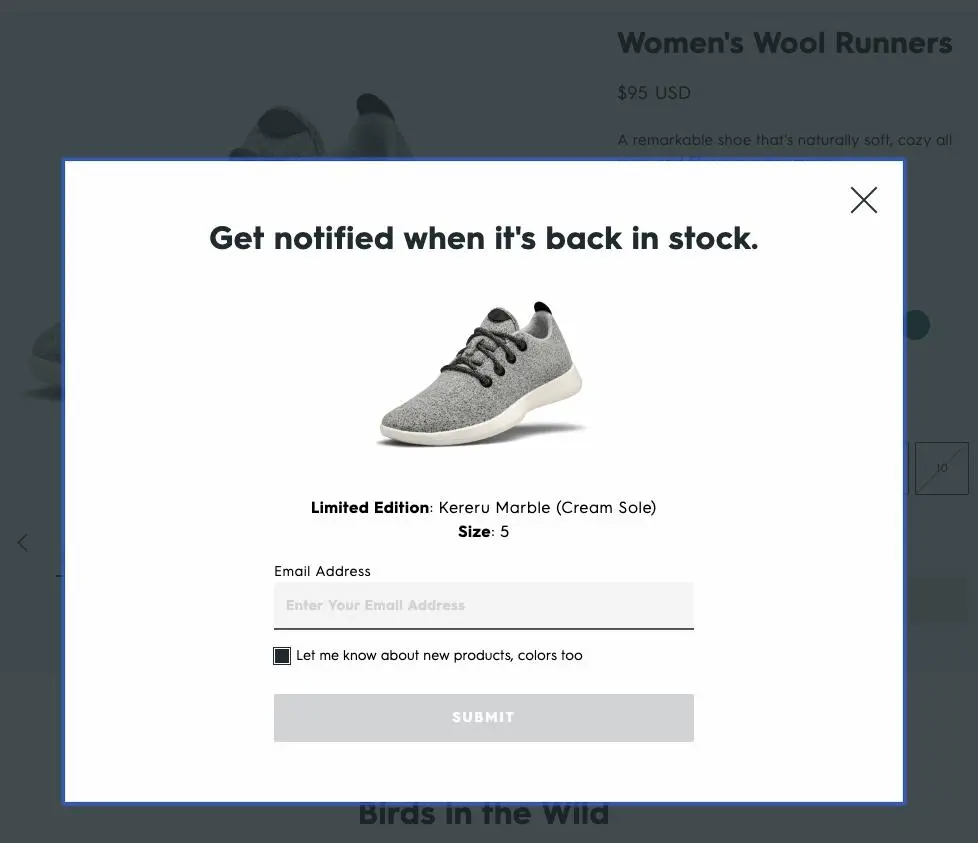
Pop-ups, in turn, allow you to offer an incentive at just the right moment—for example, a discount on the first order, access to a sale, or a subscription to back-in-stock notifications.
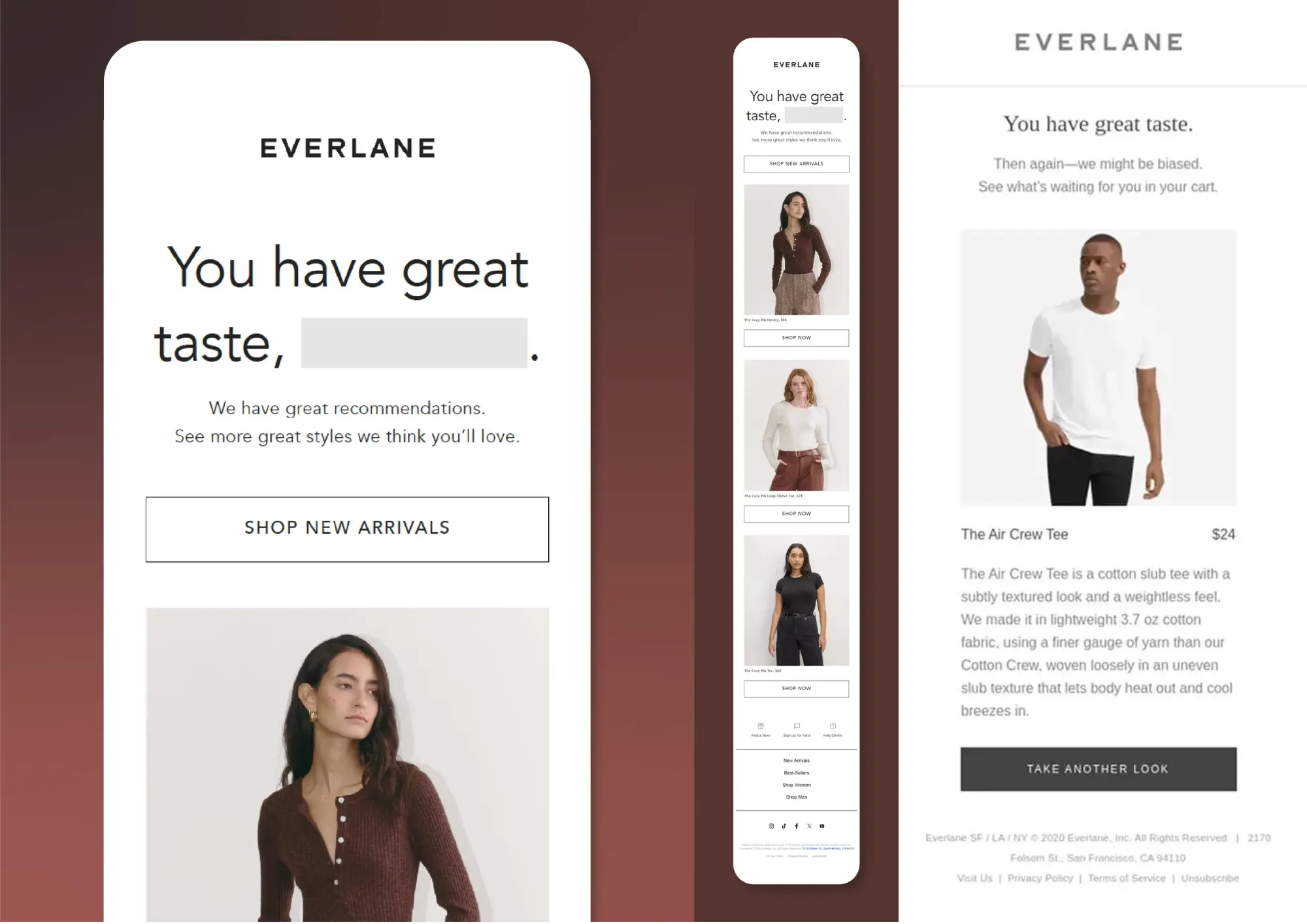
Email works especially well for welcome sequences, personalized recommendations, abandoned cart campaigns, educational content, and promotions. This channel delivers the greatest value when messages are based on behavior and customer data, rather than being sent the same message to the entire database.
For example, EVERLANE sends customers personalized product recommendations in emails based on their purchases or products they viewed but didn’t buy.
SMS
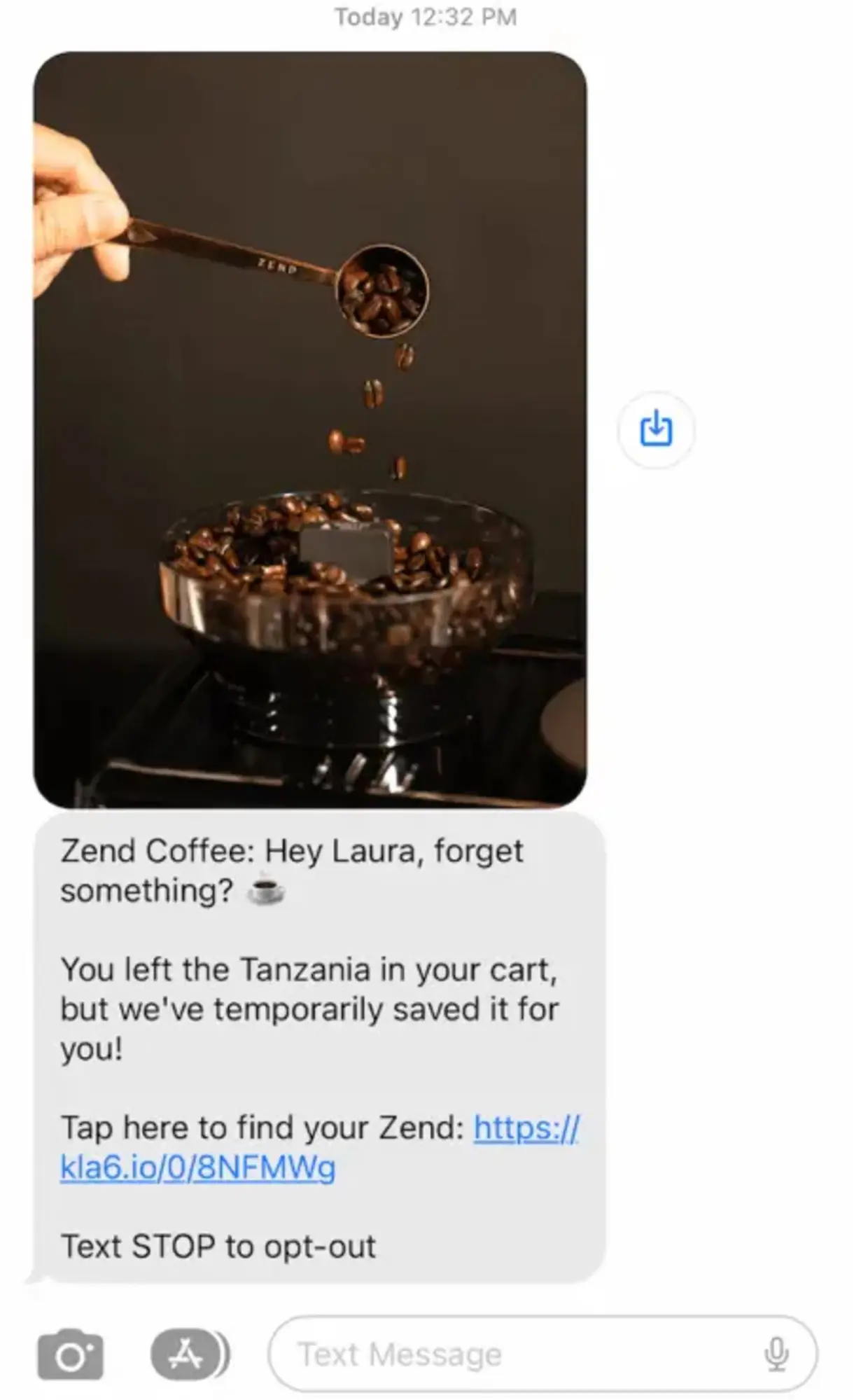
SMS is ideal for communications where speed and high visibility are important. Due to its length limitations, SMS should be used for short, specific messages rather than for lengthy advertising campaigns. It can be used for flash sales, personalized offers, back-in-stock alerts, abandoned cart reminders, or order confirmations.
>> Learn more about how to align email and SMS marketing to reach more business goals.
Web Push Notifications
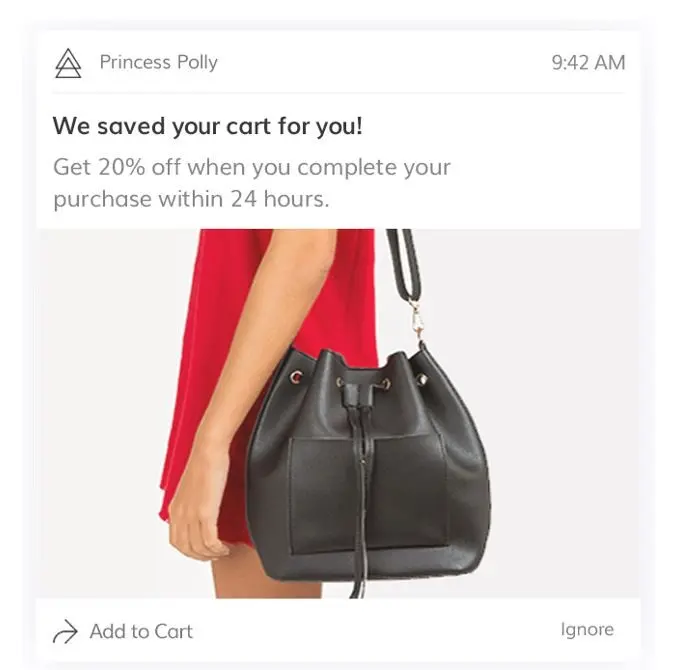
Web push notifications allow you to bring users back to your site even after they’ve closed their browser. You can offer a subscription while they’re browsing the site — for example, to receive notifications about new arrivals, price drops, or when an item becomes available.
This channel is particularly useful for ecommerce businesses with frequent product updates and short promotional periods.
Social Media
Social media helps generate leads even before a potential customer visits the website. To do this, you can use lead forms, direct messages, links to landing pages, product content, UGC, and interactive formats such as surveys or quizzes.
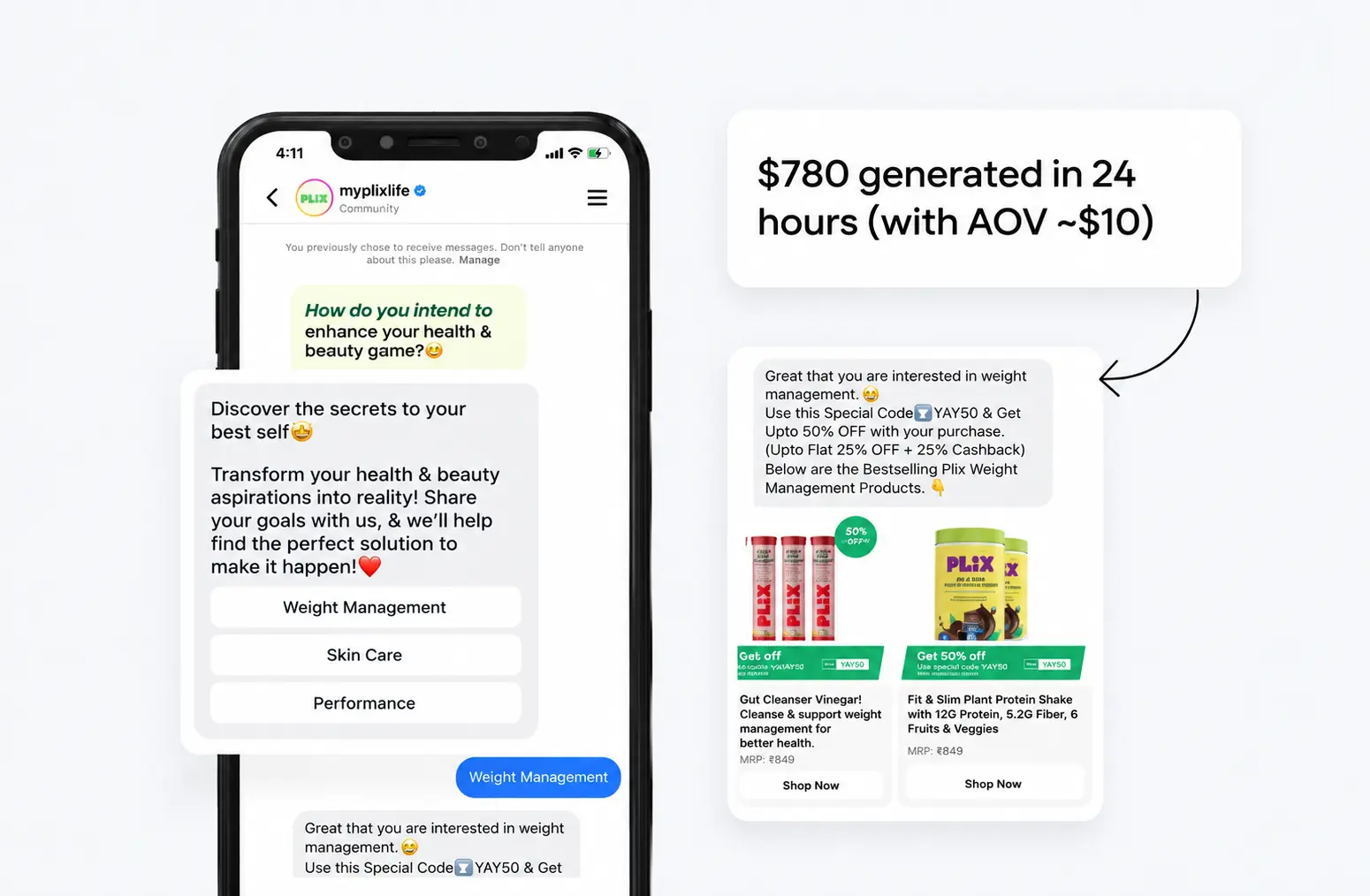
Social media engagement becomes particularly valuable for a business when users can be guided toward a clear next step — for example, subscribing, filling out a form, or visiting a website where contact or behavioral data is collected.
Messengers
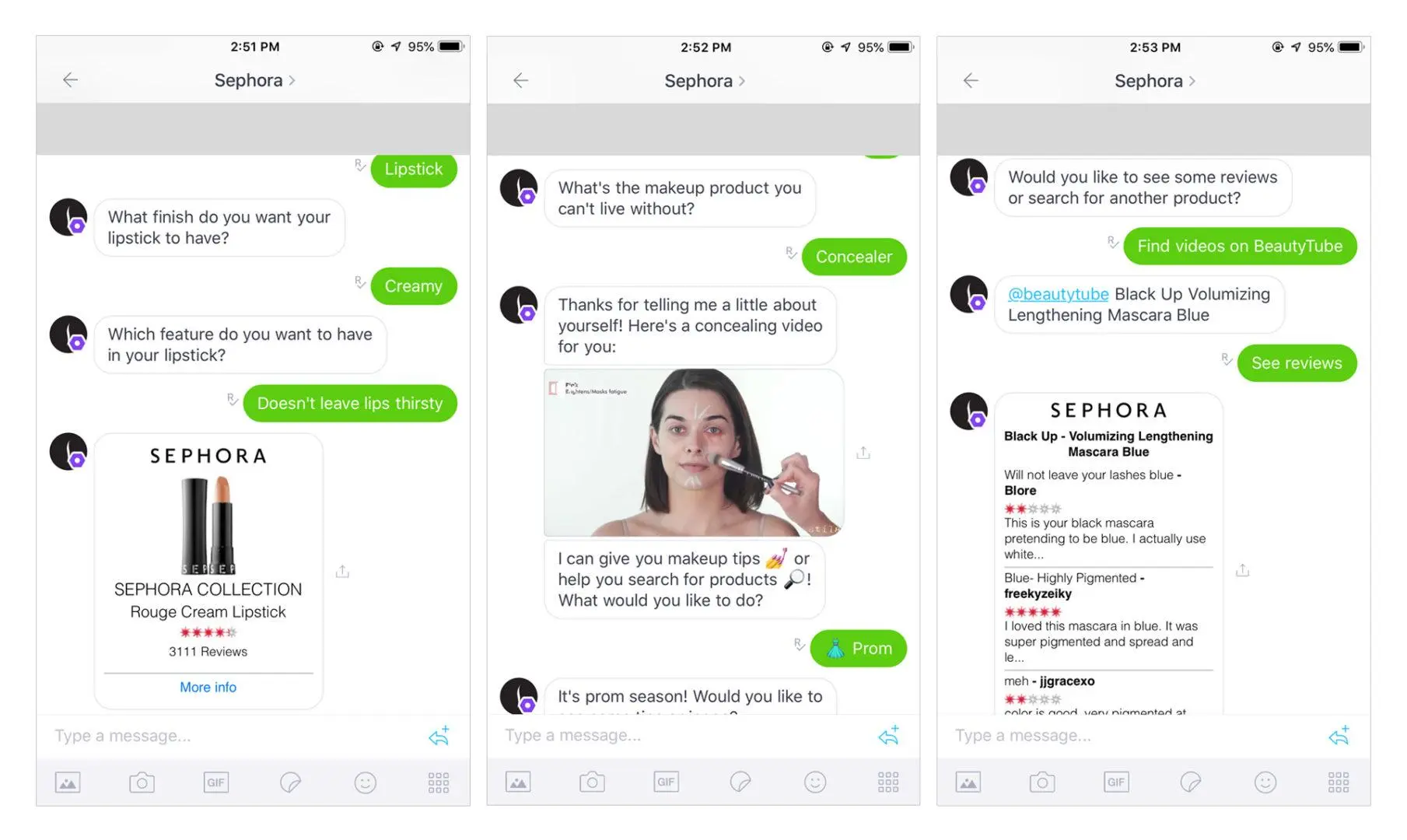
The lead generation process through messaging apps can start with an ad or a website and continue with a one-on-one conversation. To collect contact information, you can ask the customer for their email address so you can send them personalized product recommendations based on their specific request.
Paid Traffic
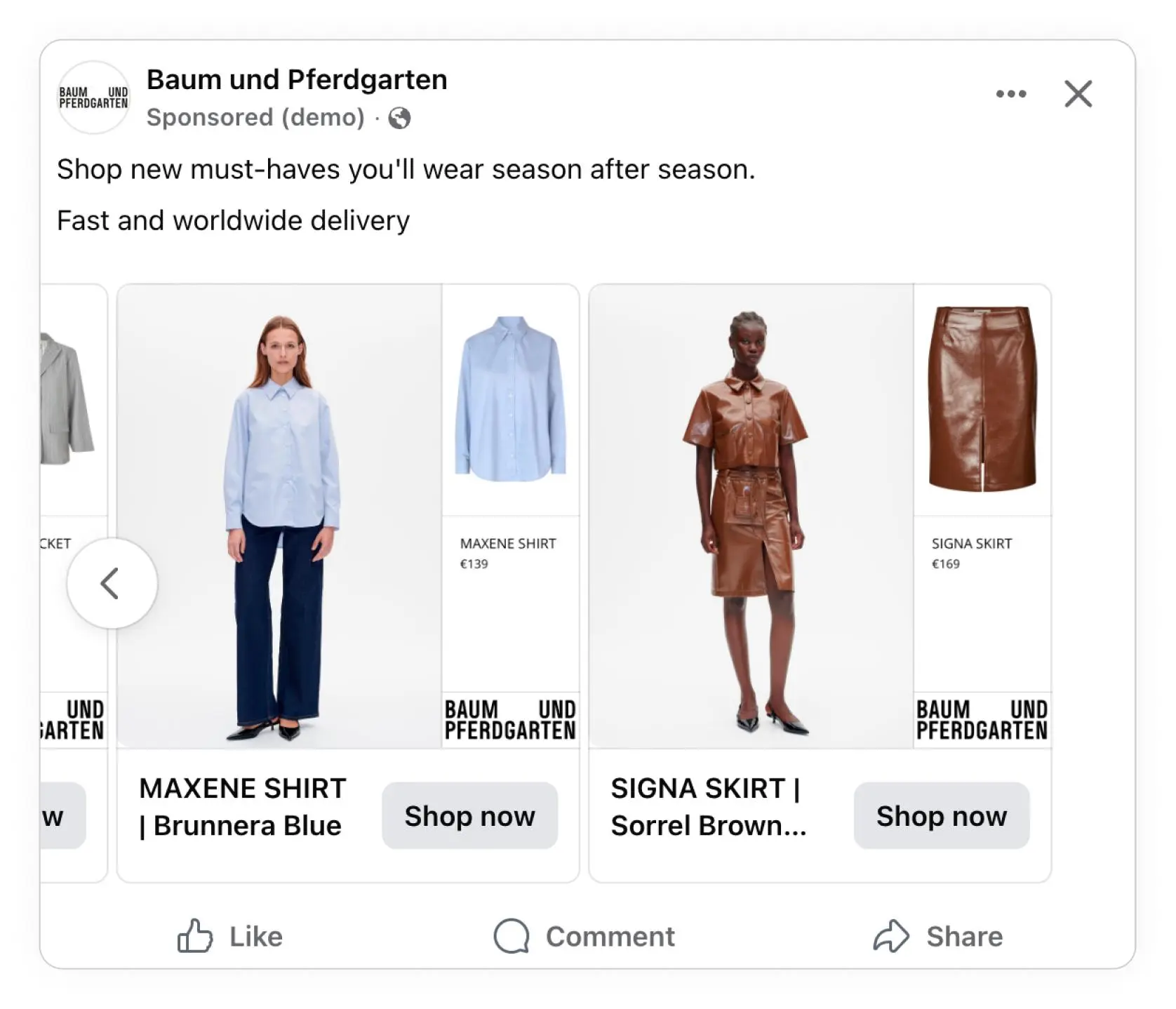
Paid traffic allows you to attract potential customers beyond your brand's own channels and direct them straight to a landing page, lead form, or a specific product page.
To generate leads, ads should be targeted at audiences who are highly likely to be interested in the product, and the ad should clearly explain what the user will receive in exchange for their contact information — for example, a discount, a free consultation, a guide, or access to a special offer.
Lead Generation Case Studies for Ecommerce
Ellie & Mac Product Finder Quiz
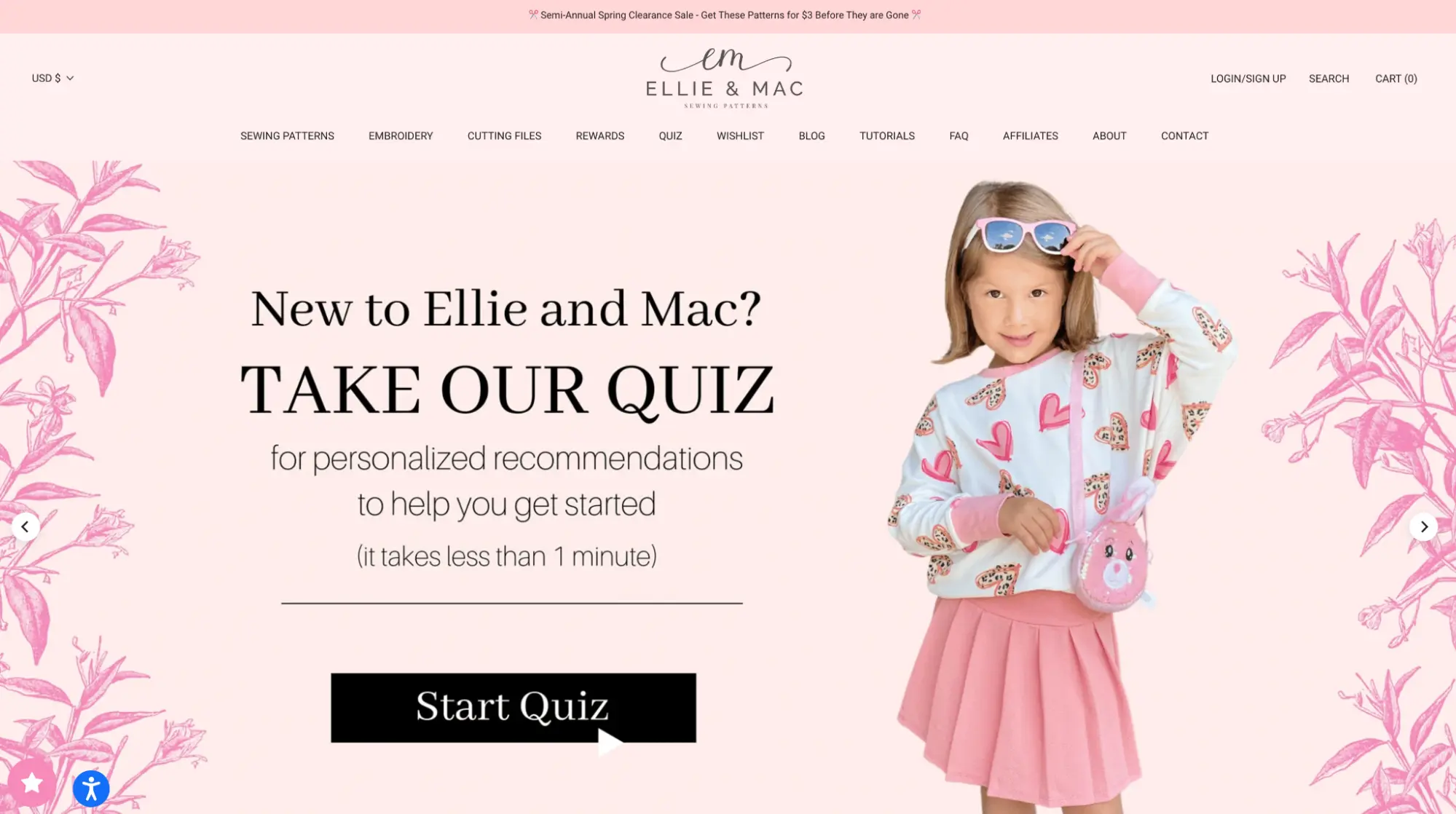
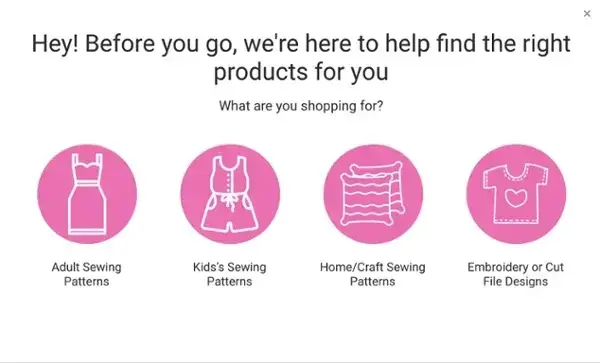
The Ellie & Mac brand used a product finder quiz to grow its lead base. Users answered questions about fabrics, style, and skill level, and provided their email address before receiving recommendations.
The results are impressive:
- 65,000+ email contacts through quizzes and pop-ups;
- +26% increase in AOV from a conversational pop-up;
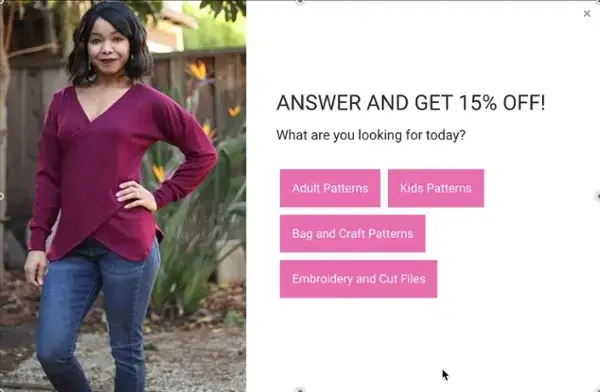
- $150,000 in additional revenue over 8 months;
- The exit-intent quiz brought in another $28,000.
Gamification from Stylus to Grow the Contact Database
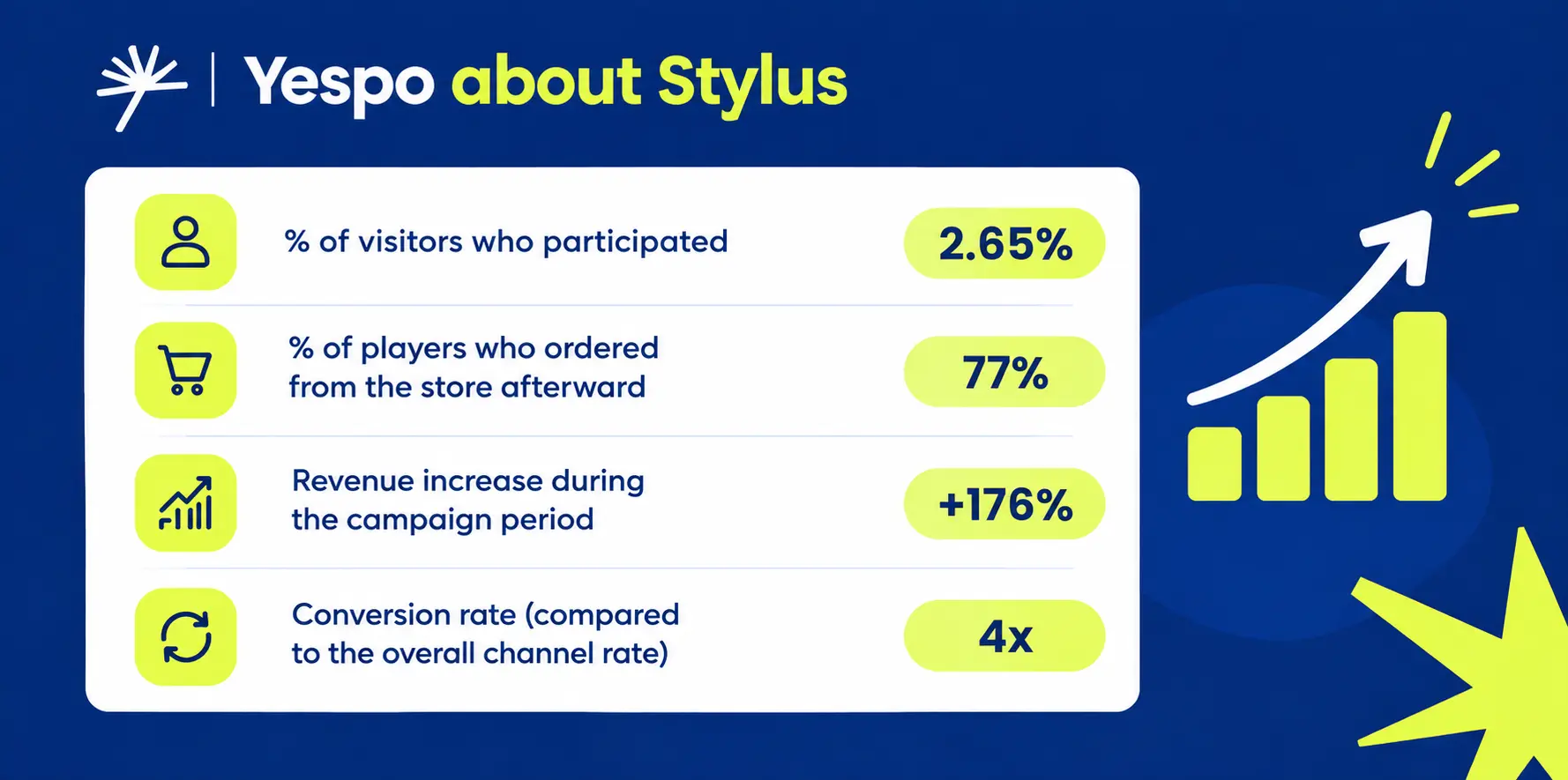
The electronics retailer Stylus used gamification to attract new subscribers and increase revenue from its email channel. Instead of a standard subscription form, the brand tested several interactive features, including Gift Box and Roulette, which offered visitors a reward in exchange for engagement and contact information.
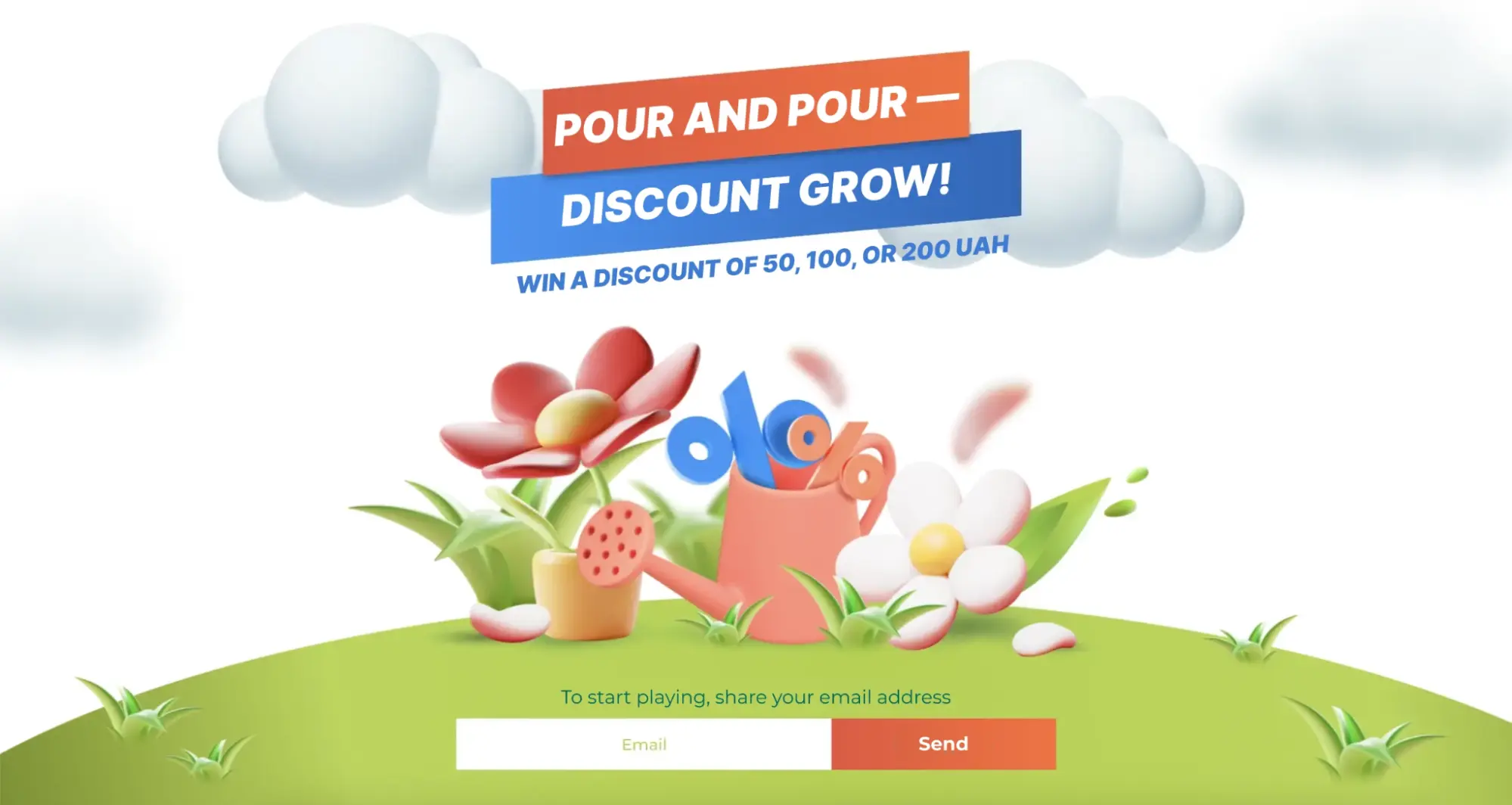
During the campaign, the active contact base grew by approximately 8% each month, and total revenue from the email channel increased by 150%.
The Roulette mechanics showed the best results:
Turning Website Traffic Into Subscribers with Le Gourmet
To engage more effectively with website visitors, the Le Gourmet team launched a subscription widget and automated Welcome, Double Opt-In, and trigger workflows.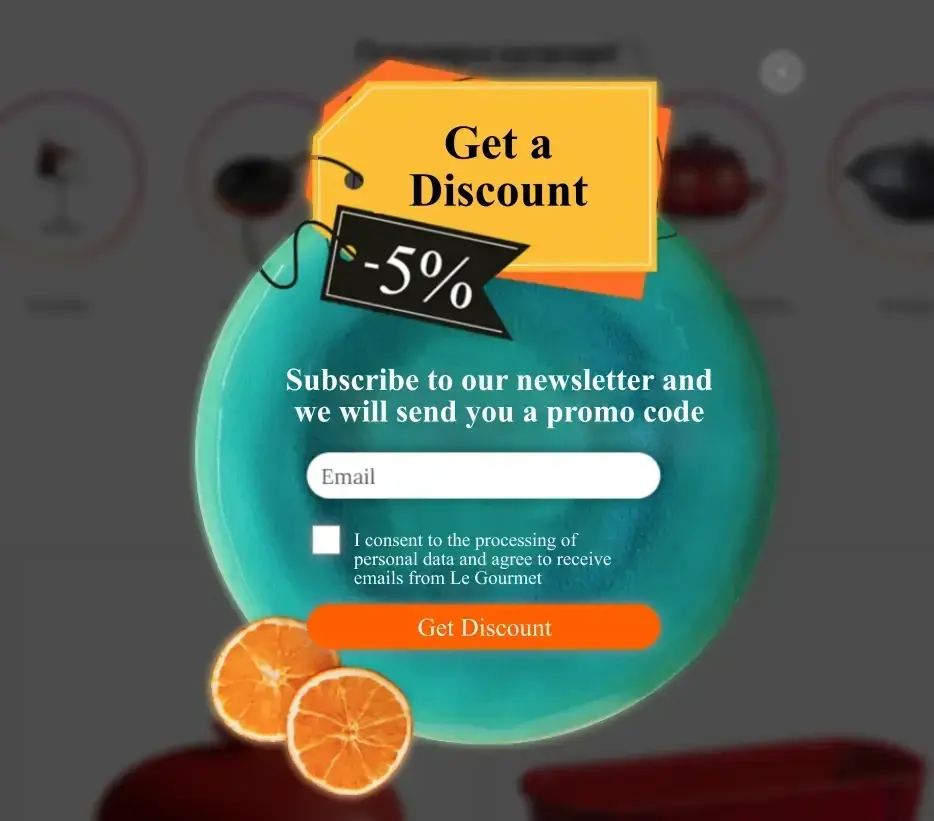 In the first month, the widget generated 254 subscriptions — a 17% increase from the initial subscriber base. From April to September 2023, the email database grew by 30%. The Welcome Promo Code and abandoned cart triggers began generating sales in the first month, while the automated workflows continued to drive sales through January 2024.
Common Mistakes to Avoid When You Generate Sales Leads
Even well-designed lead generation tactics can fail to deliver results due to common mistakes:
- Collecting contact information without a follow-up plan. Determine in advance how and when the lead will receive the next communication.
- Asking for too much information. The shorter the form, the lower the barrier to signing up. Additional information can be collected gradually.
- Making the same offer to everyone. Tailor your offers to the traffic source, user behavior, and stage of the customer journey.
- Focusing on quantity, not quality. Evaluate not only the number of leads and CPL, but also their conversion into customers and revenue.
- Responding slowly to new leads. "Welcome" and trigger-based workflows help you start communicating immediately after a target action.
- Scattering customer data across different systems. Customer data enrichment within a unified profile allows you to take into account the entire history of interactions and personalize communications.
- Not testing lead generation ideas and mechanisms. Regularly compare pop-ups, offers, forms, and channels based on actual conversions and revenue.
How to Generate Sales Leads with Yespo
Yespo helps integrate lead generation, customer data, and marketing automation into a single system. Instead of collecting contacts in one tool, storing customer behavior data in another, and sending communications through a third, an ecommerce team can manage the entire process within a single environment — the Yespo Customer Data Platform.
For example, a visitor submits their email address via a subscription form or pop-up and is immediately added to automated email campaigns such as a welcome series. This means the marketer doesn’t have to manually set up follow-up communications each time — it’s enough to configure the conditions once and set up the actions for the corresponding trigger.
Similarly, you can combine different communication channels — email, SMS, web and mobile push notifications, and even pop-ups — depending on a specific user’s behavior and preferences. A unified customer profile allows you to take into account their previous interactions with the brand, segment your audience, use product recommendations, and avoid sending irrelevant messages to users.
Final Thoughts
Effective lead generation isn’t about collecting as many contacts as possible. For ecommerce, it’s more important to build a process in which each new lead receives relevant communications, and the collected data helps gradually guide them toward a purchase. Combining high-quality lead capture, unified customer data, and automation makes it possible to transform individual marketing activities into a systematic process for driving sales growth.
Yespo helps put this approach into practice — from collecting contacts and consolidating data to segmentation, personalization, and launching automated omnichannel workflows. Want to learn more about how to generate leads effectively for your ecommerce business? Contact the Yespo team to discuss your goals and the platform’s capabilities.