Content
08 October 2026
11
8 min
0.00
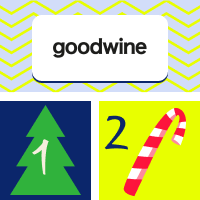
goodwine Case Study: How an Advent Calendar Increased Email Revenue by 119%

Yulia Sadovska
Content
December is one of the busiest months for ecommerce. During peak sales periods, it is important not only to attract new customers but also to retain existing ones. For premium brands, this is an especially difficult task: the audience has high expectations for content and quickly gets tired of the usual discount offers.
goodwine, a store of fine food, wine, and spirits, found itself in exactly this situation. The brand's new website launched right at the peak of pre-holiday demand. Simply bringing people to the site was not enough — it was important to hold their attention and bring them back again. The solution was a 13-day advent calendar. In this article, we explain how the Promodo team implemented the game mechanic using the Yespo CDP.
| Goals | Collecting a high-quality contact database and regularly bringing users back to the site |
| Solution | An advent calendar built on the Yespo CDP, with separate logic for new and existing customers |
| Resources |
|
| Result | +119% additional email revenue during the gamified campaign, meaning revenue grew almost 2.2 times |
About the Project
goodwine is one of the first specialized wine and spirits stores in Ukraine. The chain grew from a small shop in Kyiv into a premium food market: besides wine and spirits, goodwine sells gourmet food, coffee, books, flowers, home goods, and beauty products. The store has its own bakery and café, several restaurants, and a sommelier school.
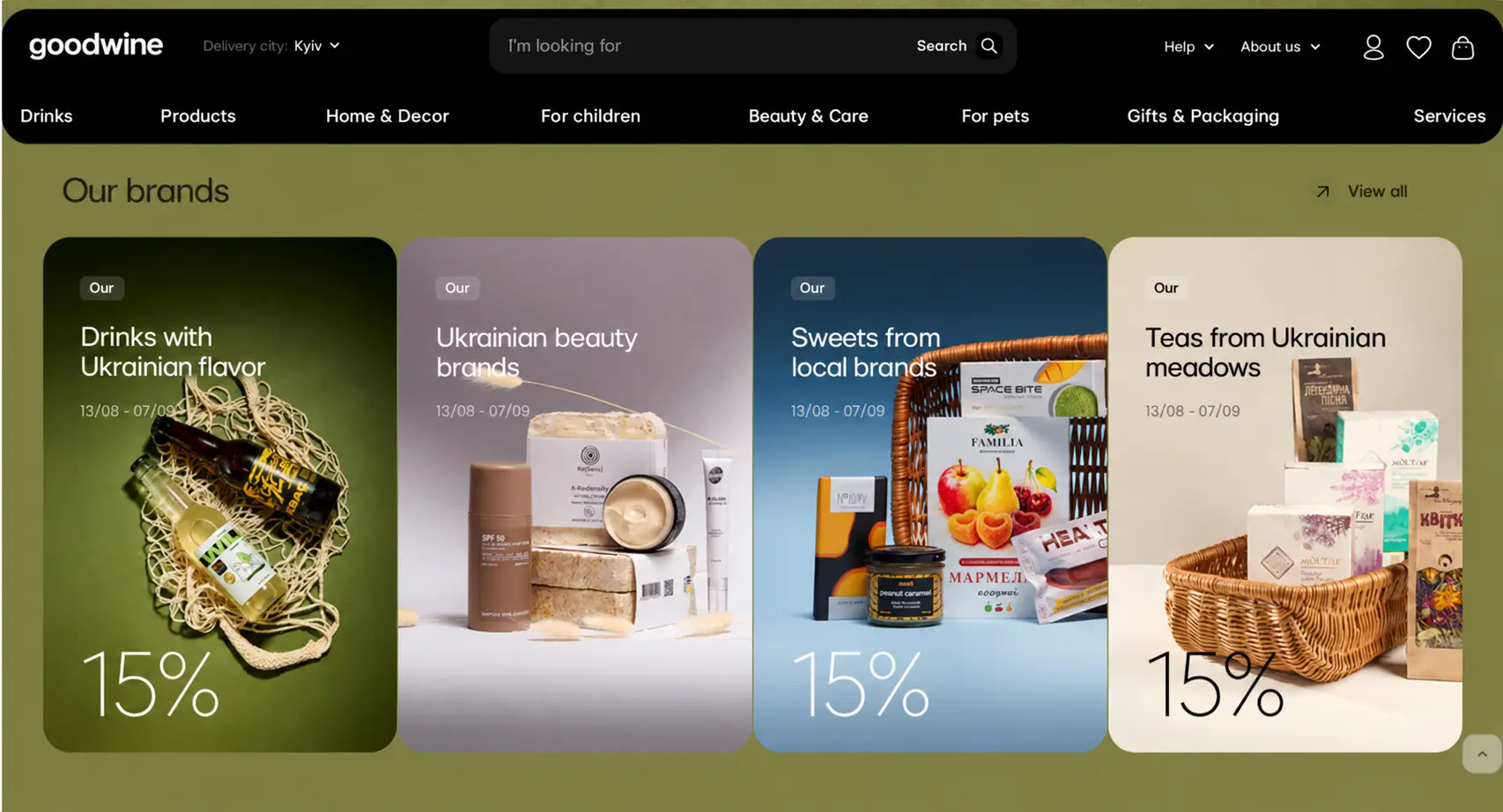
goodwine outgrew the format of an ordinary store long ago: customers get an experience and an atmosphere along with the product, which is very important for an audience with high expectations for service and content.
Objective: Retain Customers at the Peak of the Season Without Involving the Tech Team
The launch of the new goodwine website coincided with the peak of pre-holiday demand, and therefore with the peak of competition for shoppers' attention. Simply offering discounts like everyone else would have meant getting lost in the sales noise. The team needed an approach that would hold the visitor's attention and bring them back to the site again.
The situation was complicated by a shortage of resources: goodwine's technical team was fully occupied preparing the website itself for launch and could not take on additional tasks. The solution had to be something the team could implement on its own, without developers on the client's side. For this, they chose the Yespo platform.
Solution: Turn a Discount into a Game
Interactive mechanics engage users with a brand better than standard promos and build a habit of returning: gamification increases engagement by 100–150%. The Promodo agency took the advent calendar format as a basis — a trend that came from Western markets and quickly gained popularity among brands and shoppers. The mechanic combines anticipation with a daily reward: the user knows they will get a gift but does not know which one. This is what motivates them to come back again.
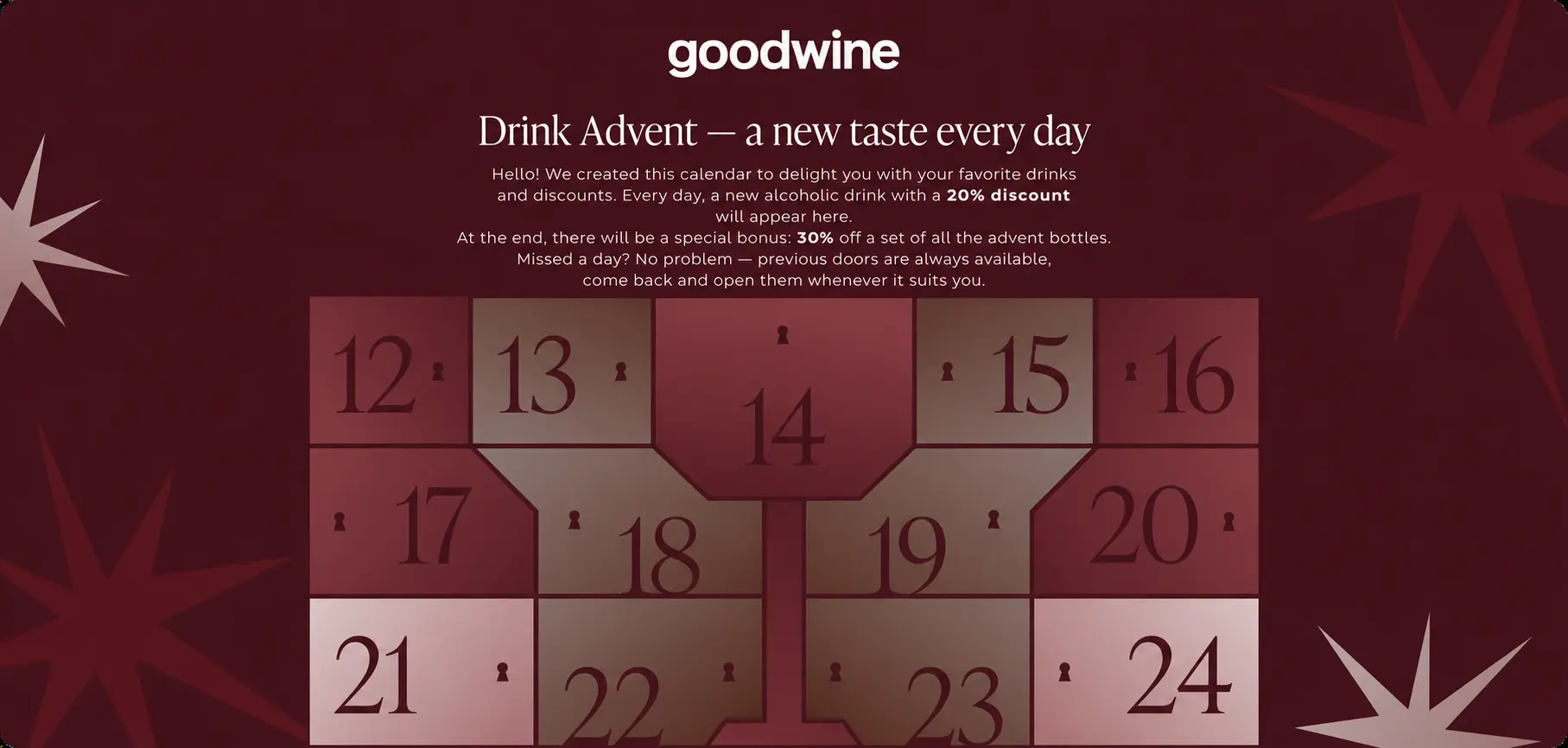
Every day, users received a new discount on a specific product, and an additional benefit on the last day motivated them to play the game to the end.
A classic advent calendar stretches over a whole month, so to keep the audience from getting tired, the team shortened it to an intense 13-day countdown. The promotion started on December 12, at the peak of shopping excitement, and ran until December 24. For this, a separate page with 13 windows was created.
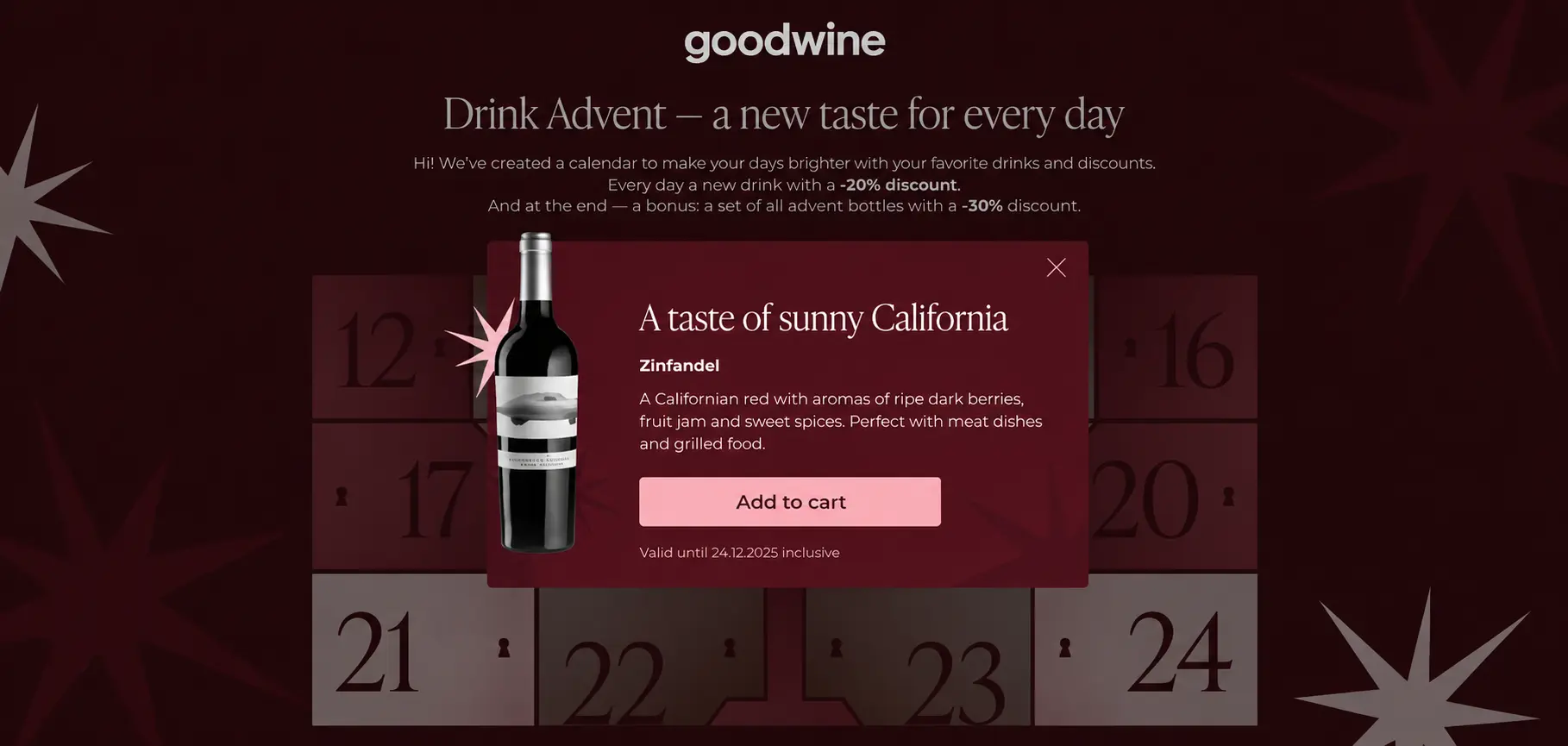
Each window had three states: closed, active, and open, depending on the date. Every day, a new window opened with the gift of the day: a discount on a specific product. This discount remained valid until the promotion ended on December 24, so users could collect several offers and calmly choose the most interesting one without artificial pressure.
Two Ways into the Game: Through an Email and Through a Pop-up
The idea's success depended on how organically the game fit into the customer journey without interfering with the main purchase process. The team built separate touchpoints for registered customers and first-time visitors.
goodwine customers who were already subscribed to the newsletter received an email invitation to join the game. This format immediately activated the existing audience and motivated it to interact with the calendar regularly.
For new visitors not yet in the database, the main touchpoint was website pop-ups offering to open the gift of the day; to take part, they had to leave their email.
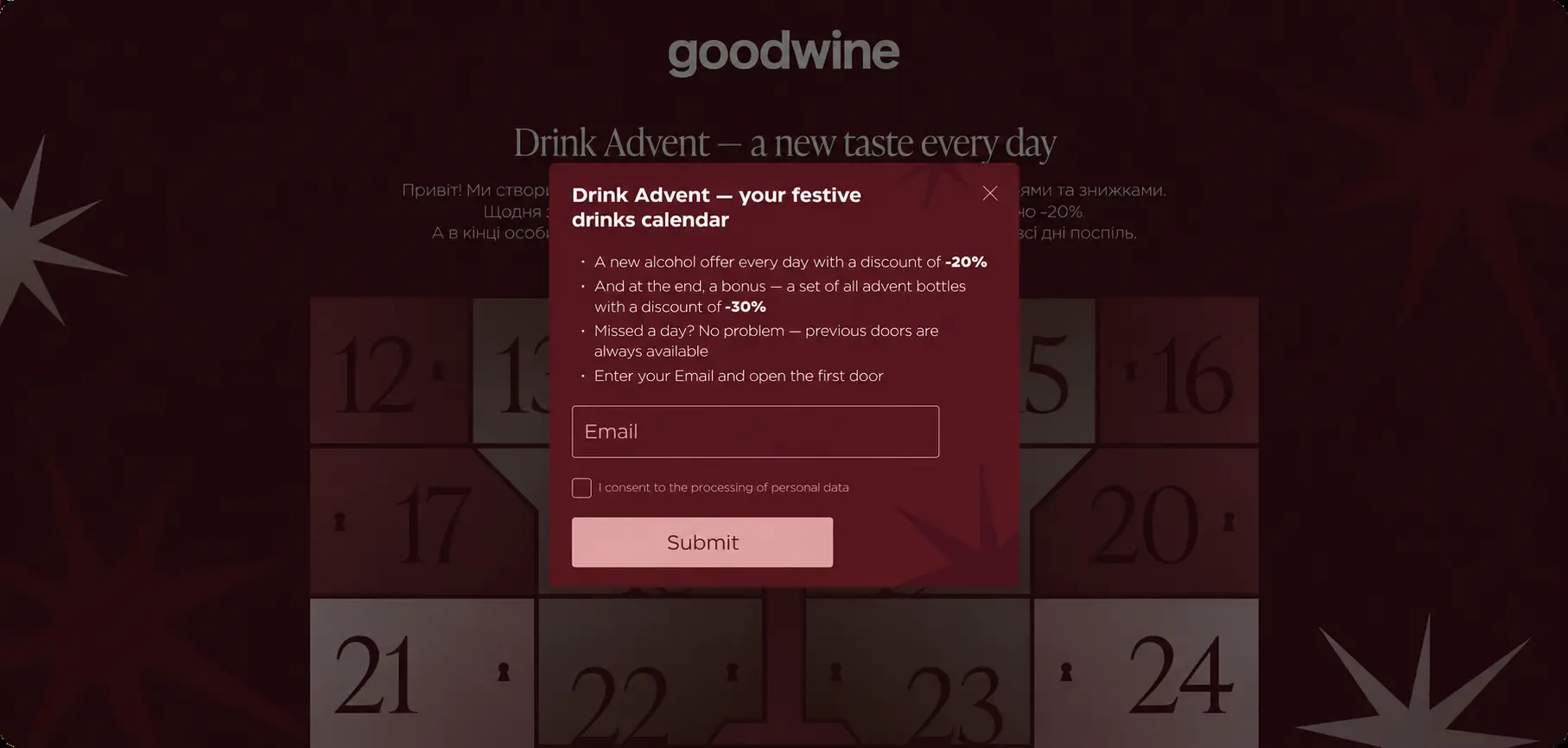
The same pop-ups also worked for existing customers who visited the site organically, outside the newsletter: they reinforced communication in the email channel and drew additional attention to the mechanic.
Double Opt-In: Fewer Leads, but Higher Quality
When a new visitor interacted with the pop-up and left their email, they received an email asking them to click a link and confirm their participation in the game. Double opt-in filtered out fake addresses and left only interested people in the database.
For existing customers who had already received the email invitation and clicked the link, the path was shorter. They went straight to the advent calendar page without seeing the pop-up and without additional confirmation.
Tip
Double opt-in maintains the quality of the contact database. Without a confirmation email, there will formally be 10–30% more subscribers, but their activity and quality will be significantly lower. Confirmed subscription keeps the share of spam complaints in the safe zone — below 0.1%. For mechanics that give away discounts or gifts, this is especially critical: without DOI, random or invalid addresses easily get into the database, including those left by bots.
Continuing Communication After a Win
After opening a window in the calendar, the user received a personalized triggered email with the gift of the day and a link to the product. This extended the interaction beyond the calendar page and increased purchase conversion. The discount was the same for all participants on a given day, but the email was personalized: the greeting and the product the user had just opened.
The same principle works in other trigger workflows for ecommerce: a personalized message at the moment of the user's highest interest converts better than any mass mailing.
Developing and launching the entire workflow took 5 weeks. Implementation did not require changes to the website code: pop-ups, user segmentation, and triggered emails were set up in the Yespo CDP.
Results and Plans for the Future
During the promotion, email channel revenue grew by 119%, meaning it increased almost 2.2 times.
Triggered emails played a separate role: they became a standalone touchpoint and strengthened repeat interaction with the brand, and their engagement metrics exceeded average ecommerce benchmarks.
How to Repeat Gamification in Your Own Business
If you are thinking about your own gamified mechanic ahead of the sales season:
- Limit the promotion's duration. 13 days work better than a month: there is less chance the audience will get tired halfway through.
- Separate the logic for new and existing customers. Not everyone needs the same path to the game: for some, an email with a direct link is enough; others need a pop-up and confirmation.
- Do not sacrifice database quality for speed. Double opt-in costs a few subscribers at the start, but it maintains sender reputation.
- Continue the game beyond the calendar. A personalized triggered email after each user action converts better than the on-page mechanic itself.
Next season, goodwine plans to go even further and launch more complex gamification workflows. And for other brands that see gamification as a tool for attracting and retaining customers, this case can already be used as a basis: the key principles of retention marketing work equally well for a food market and a marketplace.