Content
27 October 2025
1096
7 min
5.00

Retention ≠ Discounts: Strategies That Work in the US and Europe

Nazar Soroka
Content
Researches show that approximately 70% of global brands use loyalty programs to retain customers. This practice has gained popularity, but most programs boil down to simple tools: cashback, bonuses, or discounts.
Experience and case statistics show this often isn’t enough: customers quickly lose interest in such incentives and see them merely as a way to save money, not as a reason to return to the brand.
For loyalty to truly work, you need a different approach – building trust, emotional connection, and a sense of value for the customer. Leading brands in Western markets have long moved beyond basic discounts.
The Remrkt agency team has gathered examples of how this tool works in international markets and what insights brands can adopt and integrate into their own strategies.
The Challenge of the Traditional Loyalty Program Model
Many brands still limit themselves to financial incentives without developing deeper customer engagement. Personalization, emotional involvement, and a sense of belonging to the brand often remain outside the strategy.
But the practice of international companies proves otherwise: true loyalty is created through empathy and engagement, not pricing.
People want more personalized rewards, content, and exclusive experiences. For example, a grocery store can send loyalty program members recipes or cooking tips based on products from their last order. Or a restaurant chain can add games to its app so members earn points and use it more frequently.
Given this, US consumers’ willingness to switch to another loyalty program in the same industry has increased by 5-10% over the past two years.
A loyalty program is a significant part of retention, and it’s definitely not just about bonuses. It should organically fit into your retention strategy, making customers feel valued and cared for throughout the process.
How International Brands Build Loyalty: Key Approaches
In the US and Europe, companies focus not only on price or promotional offers. The key factor in loyalty becomes the brand experience and emotional connection with the customer.
Multi-format Touchpoints and Rewards Beyond Purchases
Profile completion, personalized tasks, challenges, consultations, and gamification – all these activities are crucial for building loyalty.
And for each interaction, customers or potential customers of such brands can earn account bonuses.
Key Insight
If a customer isn’t buying but is engaging – they’re already loyal. And they should be rewarded and inspired for it.
Here are some great examples:
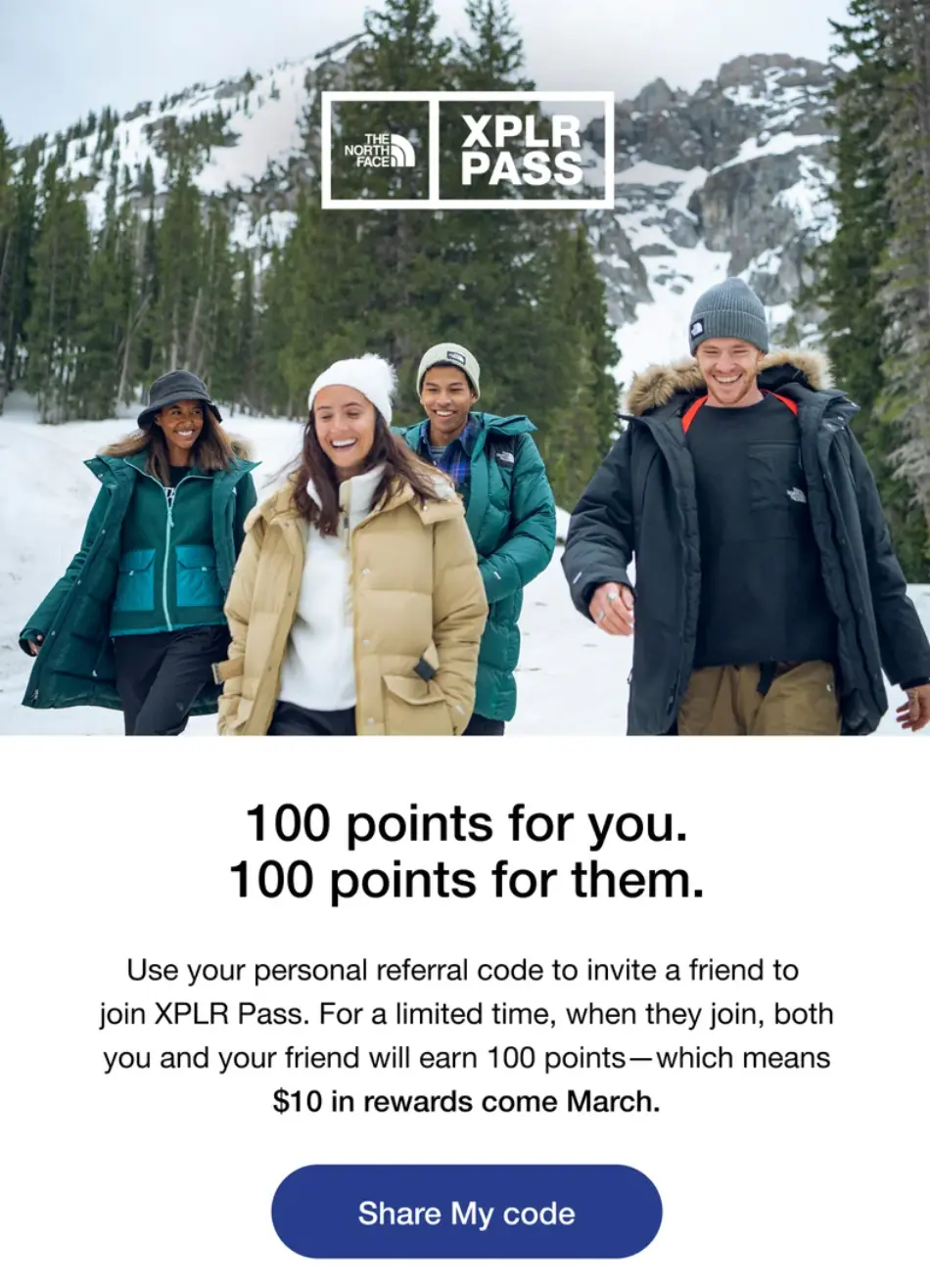
The North Face – XPLR Pass
Points for activity participation: users earn bonuses not just for purchases, but also for:
- participating in brand events;
- checking in locations during hikes (via the app);
- referring a friend to the loyalty program;
- writing reviews.
Non-transactional motivation: the brand encourages customers to explore the world, be environmentally conscious, and share experiences – even without purchases.
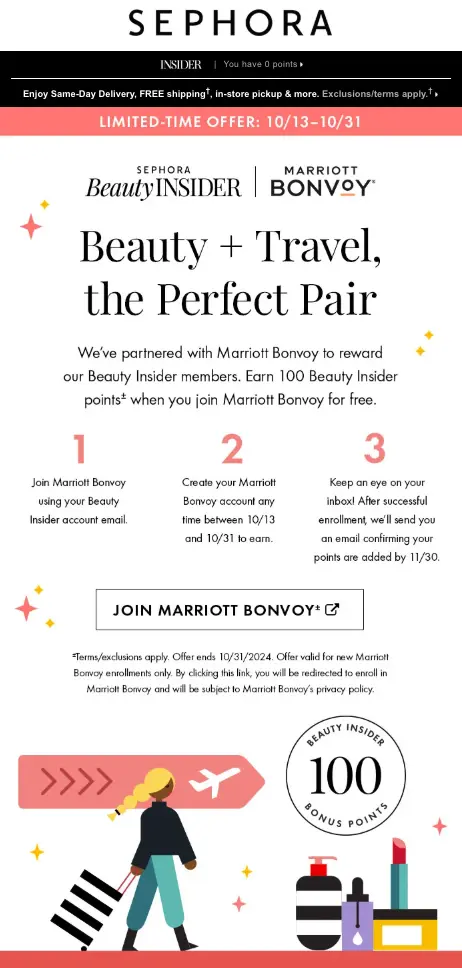
Sephora – Beauty Insider
Bonuses for brand engagement:
- completing a beauty profile;
- rating and writing reviews on the site;
- participating in events and masterclasses.
Access to exclusive events and launches: the program motivates not to buy more often, but to be part of the brand and regularly engage with it.
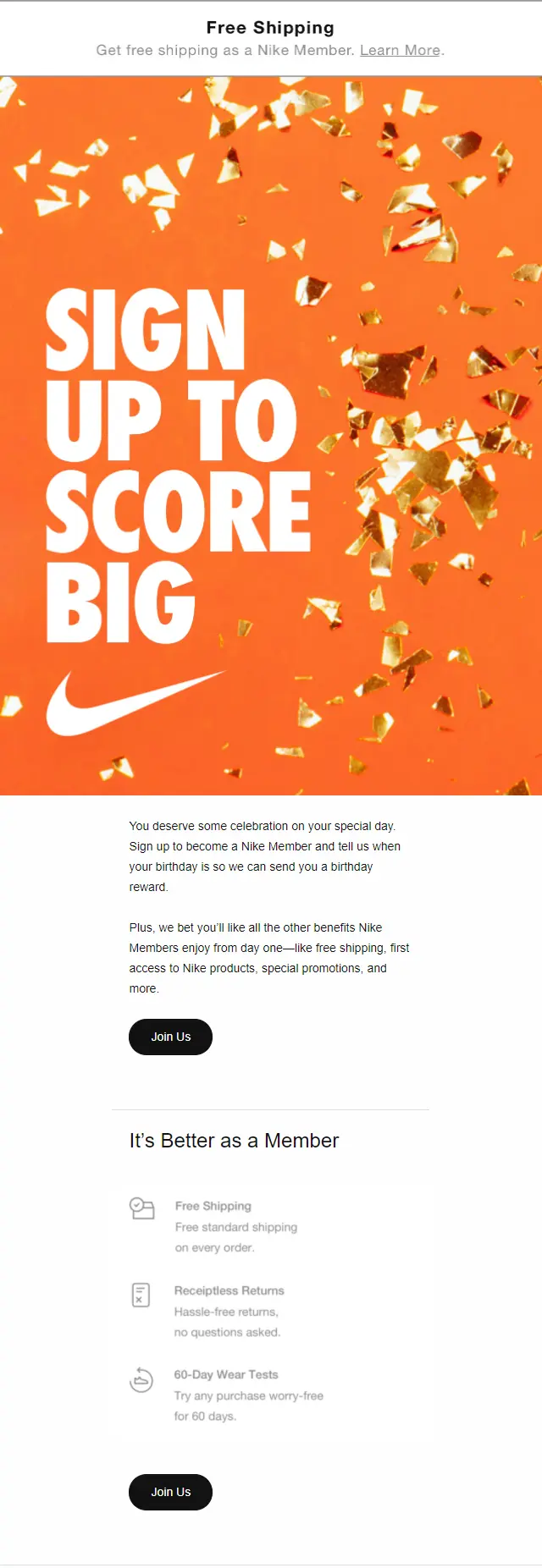
Nike – Nike Membership
Points and perks for engagement:
- completing fitness challenges in Nike Training Club;
- watching educational content;
- app activity (like morning runs).
Personalized experience: club members receive personalized recommendations, consultations, and event access, not just discounts.
Lush – Eco-conscious Rewards
Non-transactional actions = bonuses:
- supporting local initiatives: bonuses for participating in volunteer work through partners;
- returning used containers – no discount, but creative and engaging interaction (5 empties = one free product);
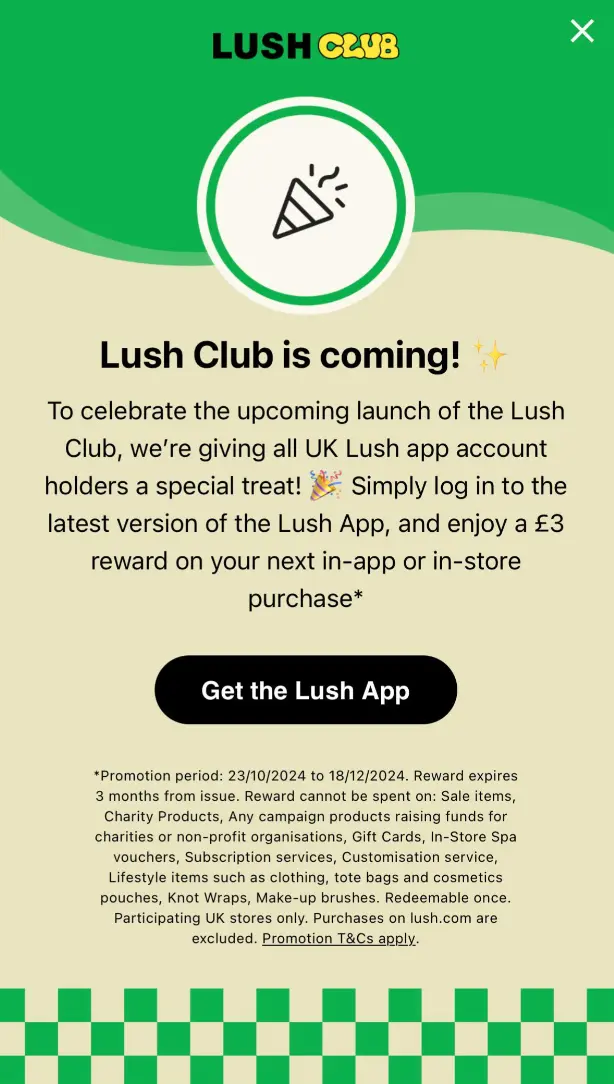
- rewards for installing the mobile app.
Purpose, not price: customers feel their choices matter.
How to Adapt Loyalty Program Strategy for Your Business
Remrkt identified several insights from international experience. But every loyalty program should be built on your specific audience’s real interests. What you should do:
- Research Your Audience
Conduct surveys, interviews, or customer behavior analysis. Find out what’s more valuable to them: saving money, emotions, community belonging, or social impact.
- Get Direct Feedback
Embed short surveys in emails, mobile apps, or website pop-ups. This gives quick insight into what activities and rewards interest your customers specifically.
- Find Touchpoints Beyond Purchase
Think about where customers might enjoy interacting with your brand: tests/quizzes, free educational materials, participation in social or environmental initiatives, gamified challenges, etc.
- Create a Relevant Reward System
Bonuses can be awarded not only for transactions, but also for reviews, event participation, friend referrals, or even eco-friendly behavior.
- Test and Optimize
Start with a test period, measure engagement and repeat purchases. Only then scale the program.
Conclusion
Leading global brands have long transformed loyalty programs into something more than discounts. Their customers become part of a community where it’s interesting to engage with the brand – even between purchases.
Non-transactional rewards:
- Strengthen relationships with the brand.
- Increase engagement.
- Give customers a sense of value, even without a purchase.
Loyalty program members often expect more than just discounts or cashback: research shows 59% of respondents said they’d be interested in earning bonuses not just for purchases – for example, through game mechanics – at least once a month.
Companies implementing gamification and non-transactional mechanics see customer engagement growth of up to 47% within such activities.
This is a retention strategy based not on discounts, but on community building – when customers feel like part of it and genuinely want to belong. And this approach can become the foundation of an effective loyalty program.
To ensure communications with loyalty program members are timely, relevant, and personalized, start collecting quality, comprehensive data about users and their preferences today. Implementing a loyalty program through a CDP provides these advantages:
- Clear understanding of each customer’s needs and interests.
- Communication across multiple channels within one program scenario.
- Easy gamification without developers.
- Dynamic content for each program member (personalized recommendations, promo codes, point accrual).
- Easy scenario automation using triggers, conditional group creation, etc.
Contact the Yespo team for consultation and help setting up an effective loyalty program for your specific business.