Content
03 March 2026
18200
17 min
5.00
9 Best Customer Segmentation Tools for 2026: In-Depth Comparison

Ivan Diulai
Content
Not long ago, user segmentation meant manually filtering an Excel sheet once a month. That approach no longer scales and reflects a pre-automation mindset. With the sheer volume of behavioral data flooding your dashboards today, manual sorting becomes impractical and often ineffective. Modern marketing works better when you move beyond broad demographics or geographic segmentation to real-time intent signals and micro-segmentation.
Industry data suggests that brands leveraging advanced personalization achieve 30–40% higher conversion and cross-sell rates than those relying on generic messaging. To act on this opportunity, businesses are turning to customer segmentation tools that don't just categorize users – they help predict what they'll do next. This guide covers the top platforms and how they turn raw data into actionable segments.
9 Best Customer Segmentation Tools: Comparison Table
For a quick scan of leading options, the following table summarizes the best customer segmentation tools available today, comparing their core strengths and entry points.
|
Tool |
Best for |
Key Feature |
Trial Version |
Pricing |
|
Omnichannel orchestration & AI personalization |
Advanced AI behavior-based segmentation |
Free trial available |
Custom (Free plan avail.) |
|
|
Amplitude |
Product-led growth & behavioral cohorts |
Causal insights & behavioral analysis |
Free Starter (50k MTU) |
Free; Plus from $49/mo |
|
Mixpanel |
Event tracking & engagement analysis |
Near-real-time funnel & customer retention reports |
Free plan (1M events/mo) |
Free; Growth (usage-based) |
|
Twilio Segmentㅤㅤㅤㅤㅤㅤㅤ |
Data unification & identity resolution |
Real-time cross-platform identity resolution |
14-day free trial |
Starts at $120/mo |
|
Heap |
Low-code implementation |
Autocapture of all user interactions |
Free plan (10k sessions) |
Free; Custom tiers |
|
Contentsquare |
UX behavioral segments & heatmaps |
Zone-based heatmaps with revenue attribution |
Free plan (200k sessions) |
Free; Custom Enterprise |
|
Userpilot |
In-app personalization & onboarding |
No-code in-app triggers & checklists |
Free trial available |
Starts at $299/mo |
|
Baremetricsㅤㅤ |
Subscription & churn analytics |
Automated cancellation insights |
14-day free trial |
Starts at $49/mo |
|
GA4 |
Acquisition traffic & free analytics |
AI predictive metrics (churn/purchase) |
Free forever (Standard) |
Free; Enterprise custom |
9 Best Customer Segmentation Tools: In-Depth Review
Choosing the right customer segmentation software isn't just about storing data. It’s about making that data actionable in real time. Below is our shortlist of the top platforms for 2026, categorized by primary strength to help you find the best fit for your business goals.
1. Yespo: The Best for Omnichannel Micro-Segmentation
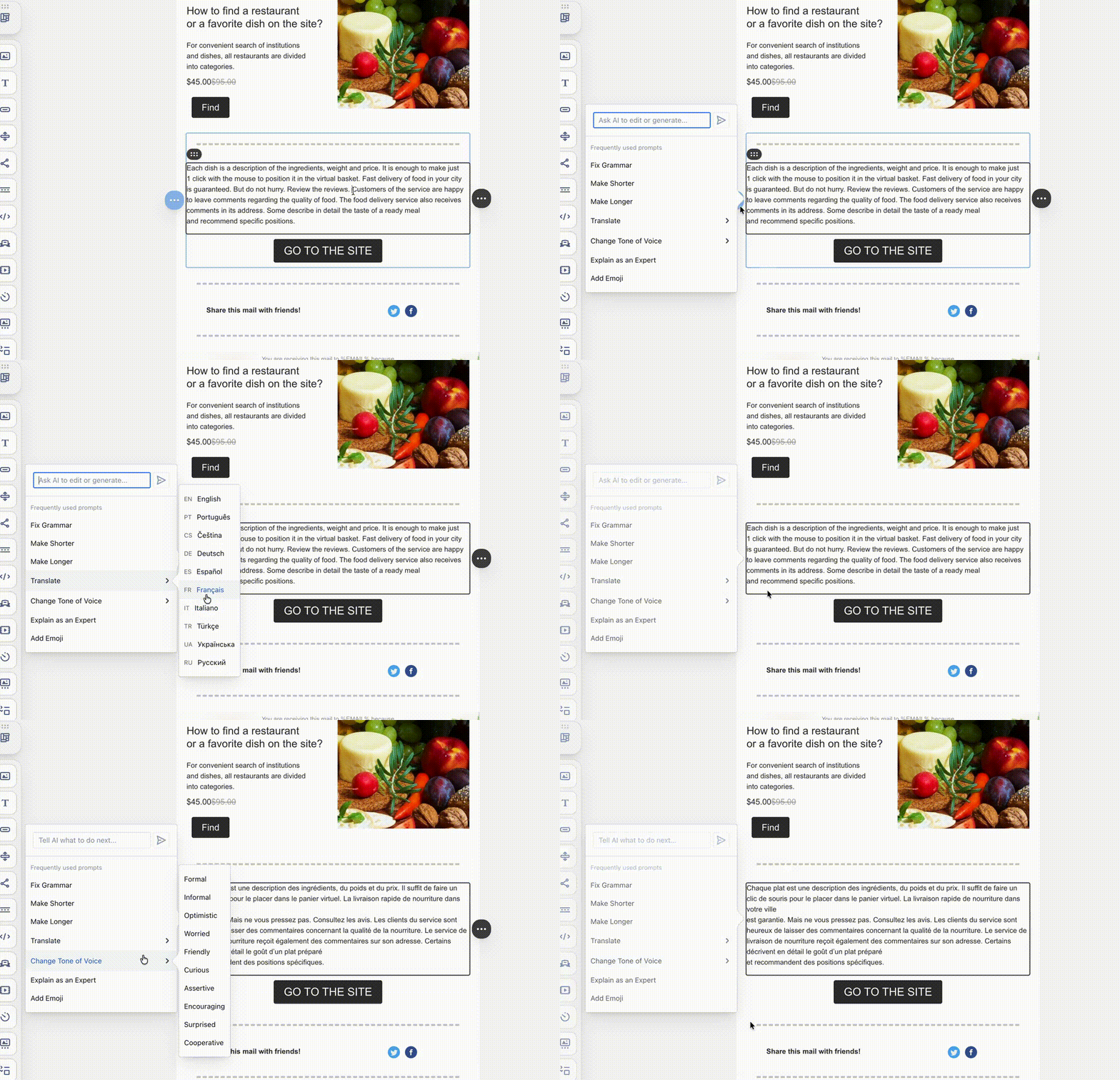
Yespo is a CDP (customer data platform) designed for businesses that need to manage complex journeys across multiple channels. While many tools stop at analysis, Yespo helps bridge the gap between insight and action. Creating unified customer profiles, it allows marketers to build highly specific customer segments based on real-time behavior, such as viewed categories, abandoned carts, or even offline purchases.
Its real power is its seamless omnichannel orchestration. You can trigger a mobile push notification if an email isn't opened, or show a web recommendation based on a Viber interaction. Its predictive segmentation capabilities use AI to identify users likely to churn or those "ready to buy," allowing you to target campaigns with better precision.
I want to improve my marketing
Pros:
- Advanced AI-driven recommendation engine
- Built-in GenAI for message localization
- Exceptional handling of multilingual campaigns
Cons:
- Can be an overkill for small businesses with only one communication channel
Ideal User: Ecommerce and retail brands looking to scale retention through high-frequency, personalized communication.
2. Amplitude: A Strong Choice for Behavioral Cohorts
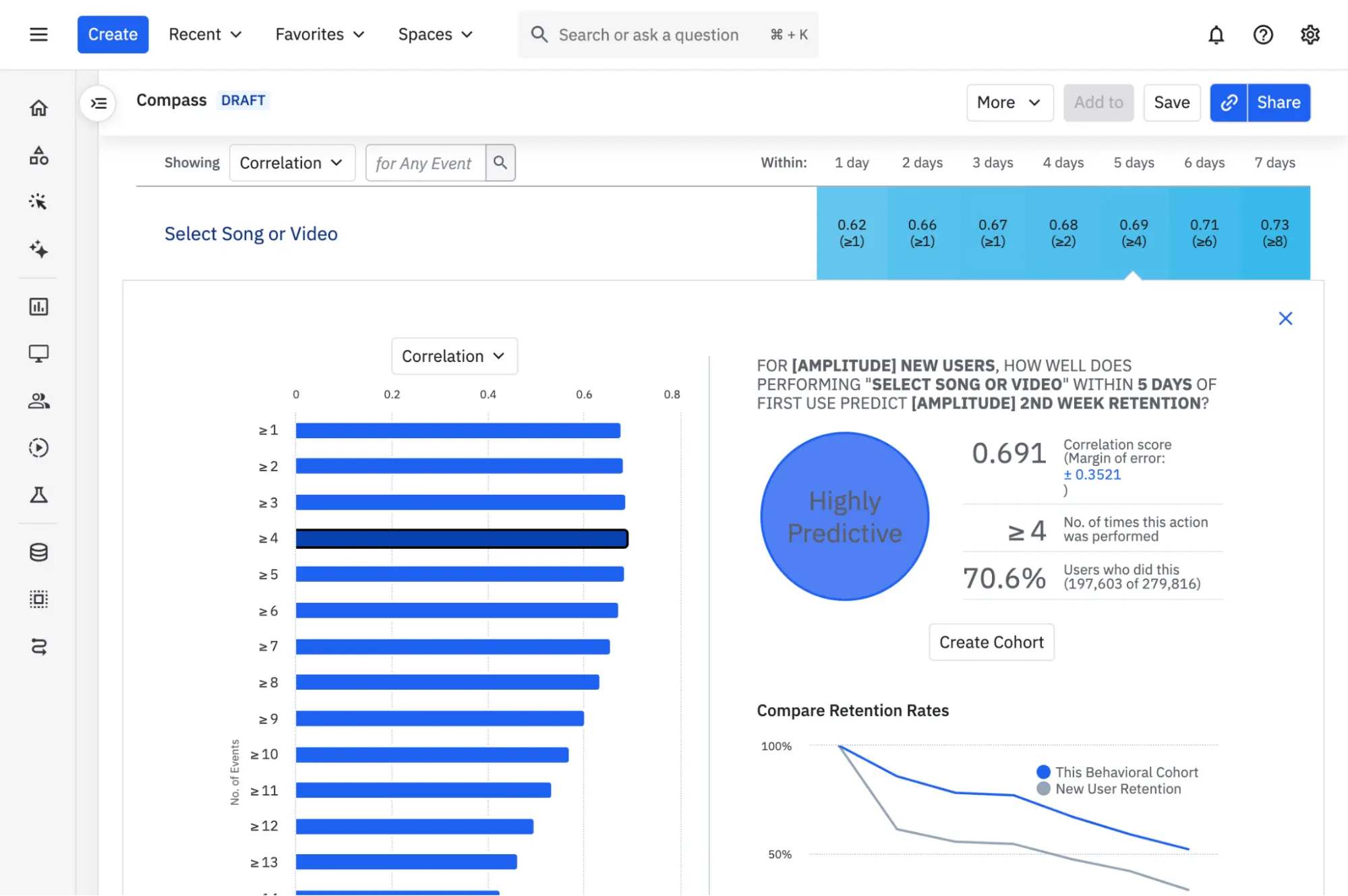
Amplitude is widely used by product teams following a product-led growth (PLG) model. Its strength lies in its "Behavioral Cohorting" feature, which groups users based on specific sequences of actions (or inactions) within a product.
Amplitude's AI agents dig through the noise to find your product's 'Aha!' moments, isolating the exact user behaviors that correlate with long-term retention. This makes it a useful audience segmentation tool for teams that need to understand how feature adoption impacts revenue.
Pros:
- Deep behavioral analytics
- Warehouse-native options for data security
- Powerful A/B testing integration
Cons:
- Steep learning curve for non-technical users
Ideal User: SaaS and mobile app companies where the product experience is the primary driver of growth.
3. Mixpanel: Real-Time Event Tracking and Retention
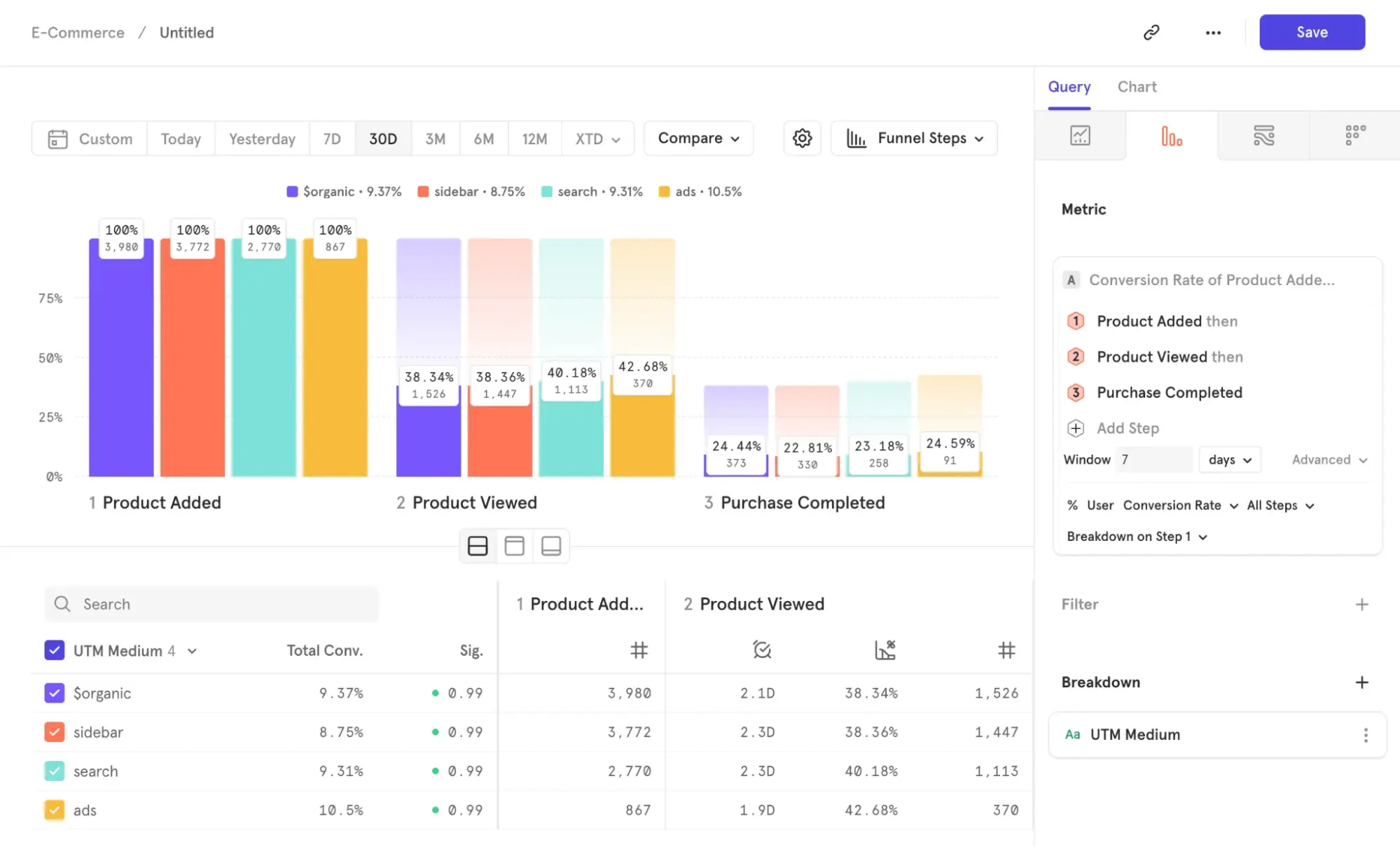
Mixpanel focuses on "events" – every click, swipe, or login is a data point. Unlike traditional analytics that focus on page views, Mixpanel helps you visualize how customer segments move through funnels in real time. Its "Streak Mode" is particularly useful for gaming or fitness apps, tracking consecutive days of activity to identify your most loyal power users.
Pros:
- Fast and intuitive interface
- Predictable ingestion-time billing
- Useful "broken funnel" alerts
Cons:
- Costs can scale quickly with high event volumes
Ideal User: Growth teams and analysts who need to answer "why" users are dropping off in the middle of a flow.
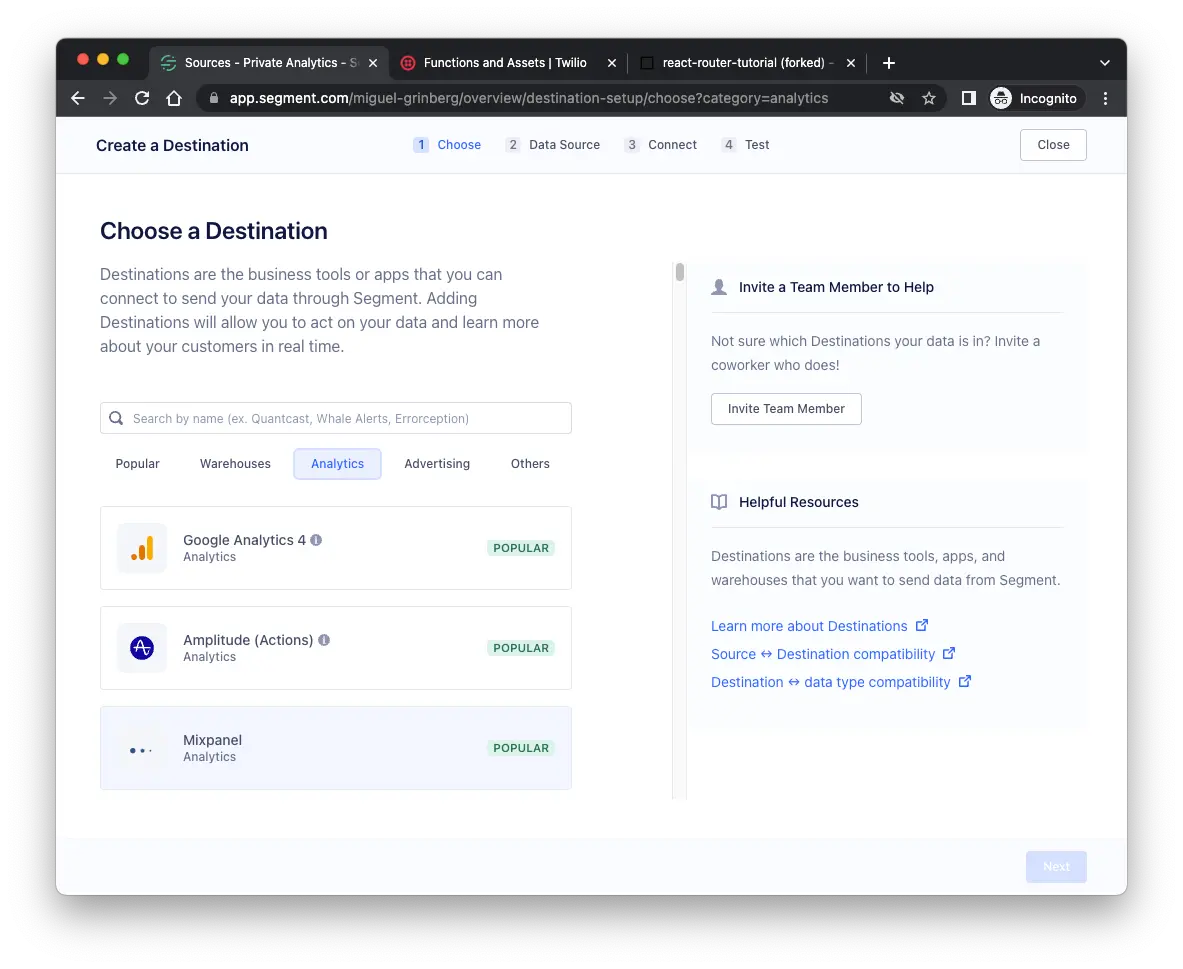
4. Twilio Segment: Data Unification CDP
Segment acts as a data hub. It isn't just an analytics tool – it’s a CDP that collects data from every touchpoint and routes it to hundreds of other tools. Its "Unify" feature performs deterministic identity resolution, ensuring that "User A" on mobile is recognized as the same person on the web app.
Pros:
- Large integration library (700+ connectors)
- Ensures high data quality and GDPR compliance at scale
Cons:
- High implementation effort and licensing costs for enterprise features
Ideal User: Large enterprises with fragmented data residing in multiple silos.
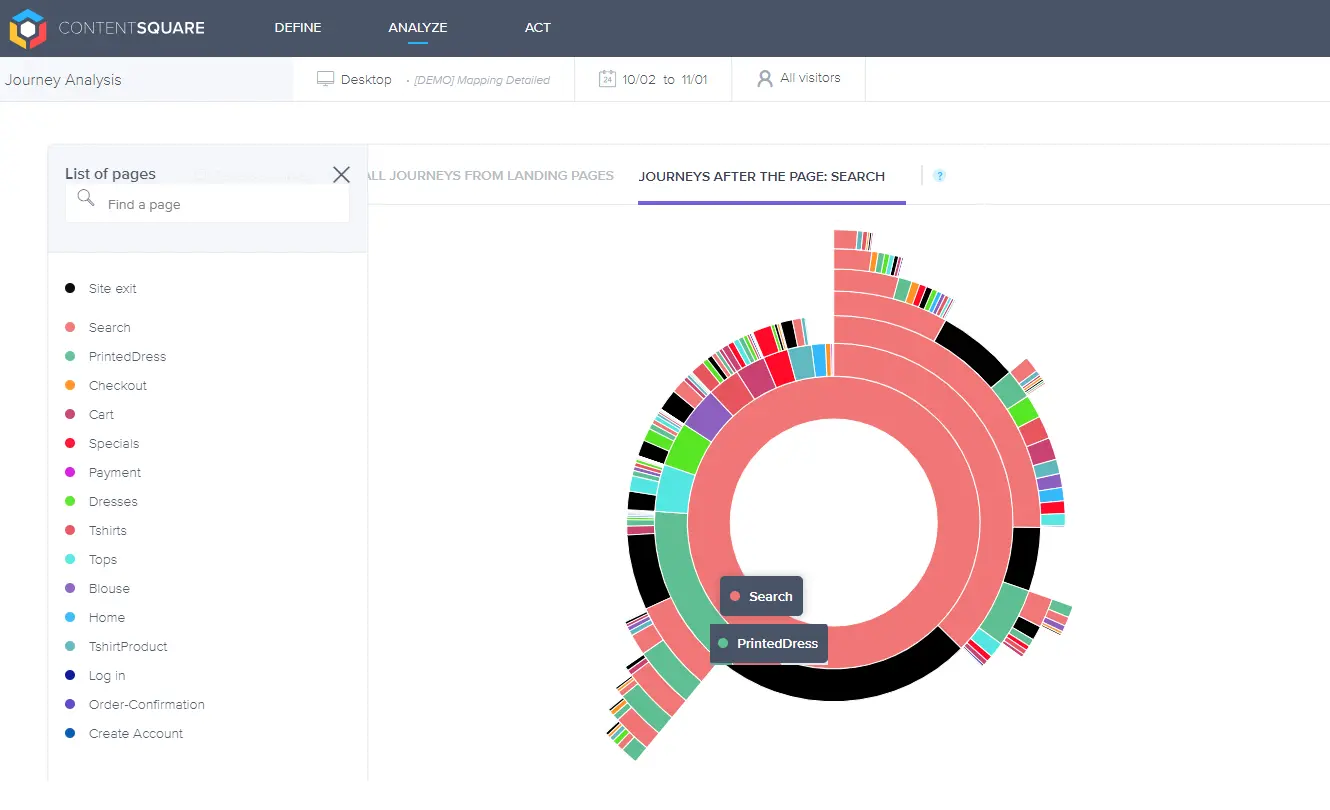
5. Contentsquare: UX-Based Behavioral Insights
Contentsquare focuses on "digital body language". Instead of just tracking what users click, it analyzes how they interact with elements. It automatically segments users who are clearly frustrated, flagging the “rage clicks” and hesitant mouse hovers that kill conversion rates.
Pros:
- Zone-based heatmaps with revenue attribution
- Identifies "friction points" that purely quantitative tools miss
Cons:
- Higher price point
- Specifically focused on web/app UX rather than email or SMS marketing
Ideal User: UX designers and ecommerce managers focused on optimizing conversion rates through interface improvements.
6. Heap: Low-Code "Autocapture" Analytics
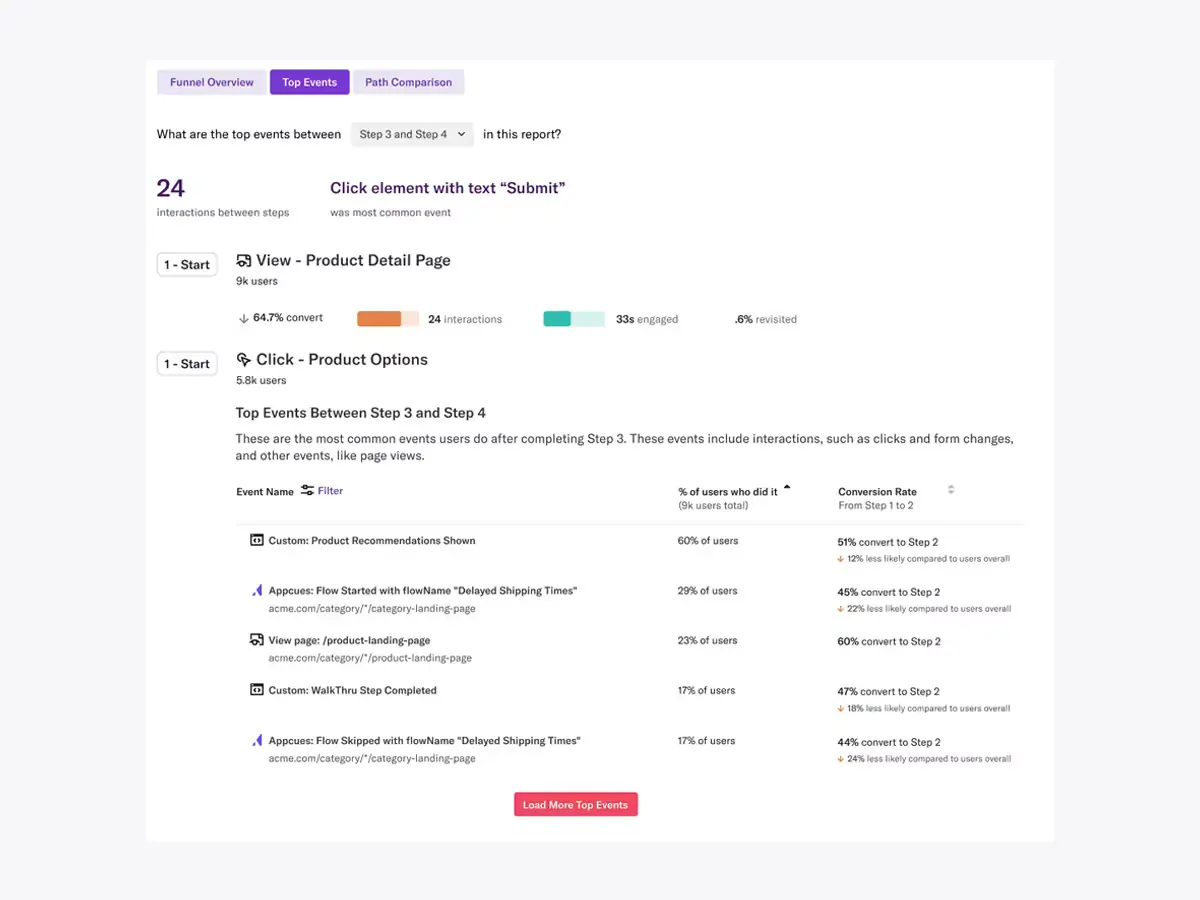
Heap's main selling point is its "Autocapture" technology. While other tools require users to manually tag every button they want to track, Heap captures everything from the moment of installation. This allows creating segments retroactively – if users decide today that they want to see who clicked a specific link six months ago, the data is already there.
Pros:
- Minimal engineering required
- Retroactive data analysis
- The "Illuminate" feature pinpoints unknown friction
Cons:
- Can lead to "data clutter" if not managed properly
Ideal User: Lean teams without dedicated data engineering resources.
7. Userpilot: In-App Experience and Onboarding
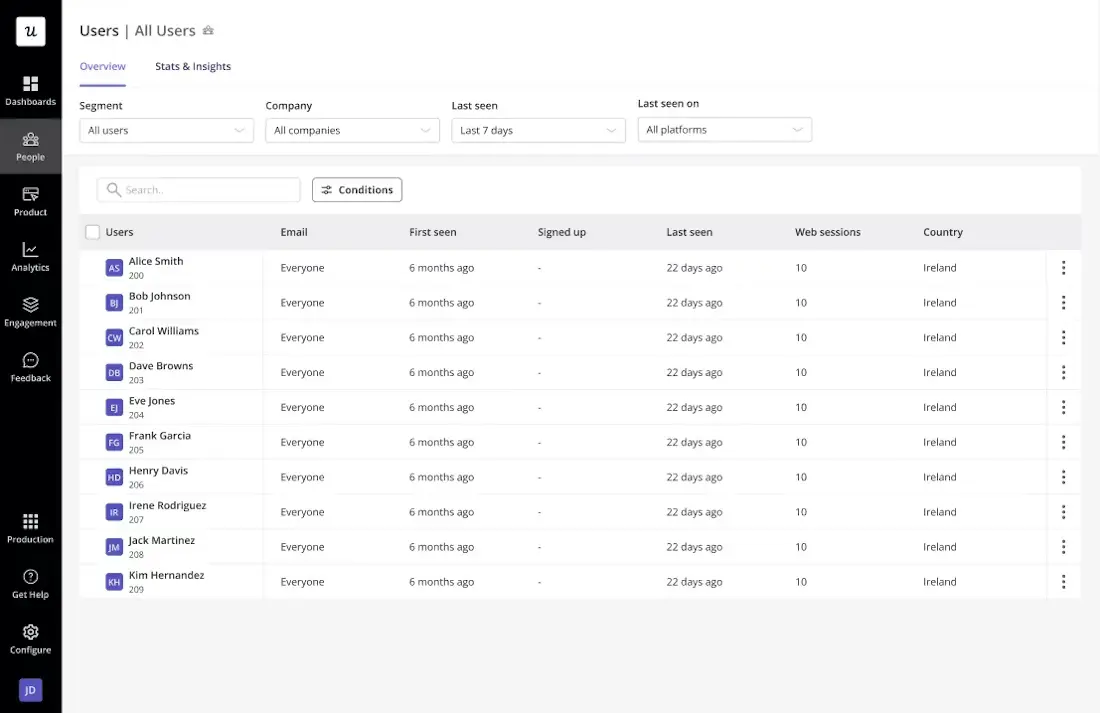
Userpilot is a specialized tool that uses segmentation to trigger in-app experiences like walkthroughs, checklists, and surveys. It allows creating a "branched onboarding" path – showing different guides to a "Manager" and a "Developer" based on their initial profile data or in-app behavior.
Pros:
- No-code UI patterns for tooltips and modals
- Interactive product tours that drive immediate activation
Cons:
- Limited to in-app engagement
- Not a full-suite marketing automation tool
Ideal User: Product managers focused on reducing "time-to-value" for new users.
8. Baremetrics: Subscription and Churn Analytics
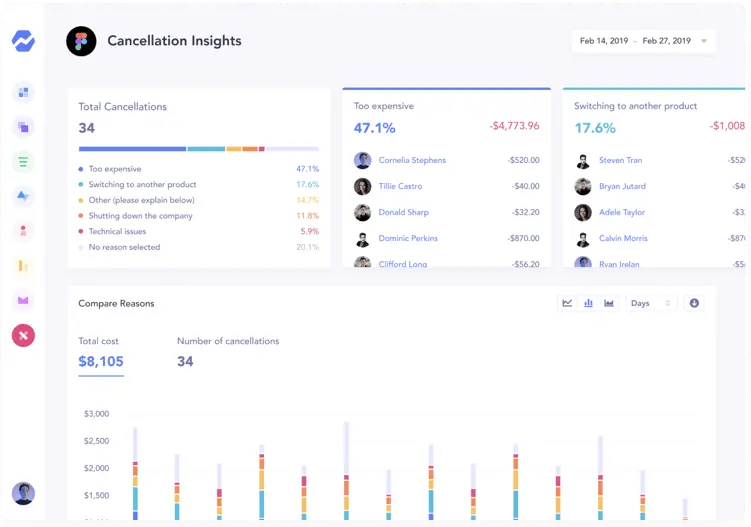
For SaaS companies using Stripe or Braintree, Baremetrics is a logical choice. It provides deep financial segmentation, allowing users to see which segments have the highest LTV (lifetime value) or which plans are at risk of churn. Its "Cancellation Insights" feature automatically asks users why they are leaving and segments that feedback for the product team.
Pros:
- Zero-setup for Stripe users
- Automated revenue recovery (dunning)
- Clear focus on MRR growth
Cons: Limited to subscription-based business models
Ideal User: SaaS founders who want a "pulse" on their subscription health without building custom dashboards.
9. GA4: The Free Baseline for Acquisition
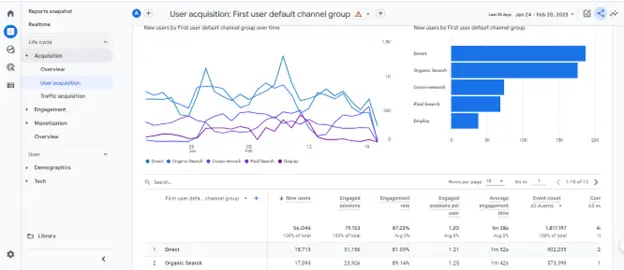
Google Analytics 4 remains a widely used, free tool for acquisition-focused segmentation. It has doubled down on AI-powered predictive metrics, such as "Purchase Probability" and "Churn Probability," making it a powerful entry point for any business.
Pros:
- Free forever for the standard version
- Seamless integration with Google Ads
- Powerful cross-device tracking
Cons:
- Data privacy concerns in specific regions
- Complicated interface for advanced analysis
Ideal User: Small to medium businesses primarily focused on tracking where their traffic comes from.
What Are Customer Segmentation Tools?
Modern customer segmentation tools act as a data hub in a brand's ecosystem, automating the categorization of audiences based on real-time attributes. This tech stack is essential for processing high-velocity behavioral data – such as web browsing, app clicks, and purchase triggers – into actionable clusters.
To choose the right solution, we need to understand three core technologies:
CRM (Customer Relationship Management): Vertical and transactional, a CRM primarily manages sales pipelines and records manual one-on-one interactions.
Pure Analytics Tools: Descriptive in nature, these focus on aggregate patterns (the "what") rather than individual identity resolution.
CDP (Customer Data Platform): Horizontal and unifying, a CDP connects both CRM and analytics data to create a 360-degree "golden record".
I want to implement CDP in my business
Unlike traditional databases, these modern tools enable dynamic segmentation, where a user’s profile updates instantly as they engage with the brand.
Benefits of Customer Segmentation Tools
Implementing a sophisticated tech stack can directly affect revenue. Considering how scarce attention is, the ability to act on data quickly can be a competitive advantage. Acquisition is expensive – costing roughly 5x more than retention. Maximizing the lifetime value is how you protect your margins.
Improved Personalization at Scale
Personalization has moved far beyond simple name tags. Modern tools deliver highly relevant experiences to millions of users simultaneously by interpreting real-time intent signals. Whether it's adjusting a website's layout for a high-value browser or sending a specific discount to a price-sensitive segment, these tools ensure that every touchpoint feels intentional without requiring manual oversight.
Higher Repeat Purchase Rate
Customer loyalty is built on relevance, not just repetition. By grouping users by their product affinities and buying cycles, brands can deploy perfectly timed replenishment reminders and cross-sell offers. This timing directly fuels a higher repeat purchase rate, effectively turning one-time shoppers into more predictable repeat revenue.
Reduced Churn through Predictive Alerts
The most effective way to stop churn is to spot it early. Many platforms now use AI to monitor for "silent" churn signals – such as a decrease in session duration or a lapse in engagement with key features. These predictive alerts allow marketing teams to trigger automated win-back sequences or proactive support outreaches, mending the relationship before the customer even considers leaving.
Key Features of Customer Segmentation Tools
Real-Time Data Processing
In the modern digital economy, data has a half-life. A customer’s interest in a product might last only a few minutes. Top-tier tools offer real-time processing that updates segments the second an event occurs – whether it’s a page view, an app install, or a localized price check. This allows for "in-the-moment" marketing that reaches users while their intent is at its peak.
Deep Customer Segmentation
Static lists based on age or location are no longer sufficient. You need the ability to perform deep customer segmentation by layering multiple data points: behavioral history, purchase frequency, and even calculated metrics like "likelihood to churn." This granularity helps keep messaging less generic and more context-aware.
AI-Driven Product Recommendations
Manual rule-setting for "customers who bought X also bought Y" is often too slow at scale. Leading platforms incorporate machine learning to provide automated, AI-driven product recommendations. These engines analyze massive datasets to predict a user’s next preference, significantly increasing average order value (AOV) without manual intervention.
GDPR and Privacy Compliance
With global privacy regulations like GDPR and CCPA becoming more stringent, compliance is becoming extremely important. A reliable tool must offer robust data encryption, clear consent management, and "right to be forgotten" protocols. Ensuring that segmentation is privacy-first protects the brand's reputation and reduces legal risk.
How to Choose the Right Customer Segmentation Tool for Your Business Needs
Selecting the right platform depends largely on your current data maturity and long-term scaling plans. It is essential to avoid the trap of investing in a tool that is either too complex for your current needs or one that your team will outgrow in six months.
Assess Your Data Volume and Velocity
If you are handling millions of events daily, you’ll need a platform with high processing power and robust data quality controls. While smaller businesses might prioritize things like a user-friendly interface or customizable dashboards, enterprise-level brands need a solution that can aggregate high-velocity first-party data into a unified customer profile without slowing down.
Identify Your Primary Goal (Marketing vs. Product)
Determine whether your primary objective is to drive revenue through automated outreach or to optimize the user journey within your application. Marketing-focused tools typically excel at omnichannel communication, whereas product-centric tools prioritize deep behavioral cohort analysis and feature adoption tracking.
Check Integration Compatibility
Your segmentation engine is only as effective as the data feeding it. Make sure the tool integrates with your existing CRM, website tracking, and messaging stacks to prevent the creation of new, fragmented data silos.
Final Thoughts
You simply cannot run profitable campaigns today without real-time segment updating. Centralizing your data and customer segments into a unified CDP is the most practical way to scale true personalization without breaking your tech stack.
Are technical hurdles or fragmented data preventing you from reaching the audiences you want? Our specialists are ready to help you work through these challenges. Fill out the form below to book a call. We’ll show you how Yespo’s software simplifies complex data management, allowing you to build precise segments that drive immediate results.