Content
21 December 2025
2970
15 min
5.00
What is Lifecycle Marketing? Definition, Examples and Best Practices

Yana Bozhko
Content
Lifecycle marketing holds the key to business growth today since it is focused on the entire customer journey and not the initial sale alone. It enables brands to leverage data-driven marketing strategies and automation technology to connect further with customers, increase brand loyalty, and help casual visitors become lifelong customers.
This tutorial will explain lifecycle marketing, give an overview of its basic phases, discuss tested approaches, and real-world examples, to optimize initial purchases by turning customers into loyal long-term clients.
What is Lifecycle Marketing?
Lifecycle marketing is a form of marketing that large and small businesses apply in order to create and nurture significant relationships throughout the customer lifecycle. It involves understanding customer needs in every touchpoint of marketing, providing personalized and relevant experiences that drive engagement and repeat purchasing.
As opposed to mass marketing’s emphasis on quick sales and isolated campaigns, lifecycle marketing is about comprehensive customer lifecycle orchestration. Lifecycle marketing is a marketing strategy that drives leads through the conversion funnel – from awareness and consideration to purchase, retention, and advocacy. With first-party data and zero-party data, brands have the power to offer consistent, relevant experiences across touchpoints, ultimately maximizing customer lifetime value (LTV) and minimizing customer churn.
This strategy turns transient interactions into valuable, sustained relationships and allows brands to scale up customized, omnichannel marketing experiences that address the customer expectations of the modern age.
5 Main Stages of Lifecycle Marketing
Knowing customer lifecycle stages is a very crucial step to develop an interactive buyer’s journey that fosters loyalty and revenue growth.

Awareness
The journey starts at the awareness stage, when a potential buyer first becomes aware of your brand. Most frequently, this is through social media, search engine optimization, or paid advertising. Up top in the conversion funnel, it is your objective to make a good first impression through engaging content and engaging advertisements that build curiosity and encourage customers to take a desired action.
Consideration
At the consideration stage, your products are on your customers’ minds. Provide product demos, customer reviews, or comparison tables, address their concerns, and build trust with your content across all channels. One-to-one emails and targeted campaigns are crucial in attracting them and filling the gap to make a decision.
Conversion
The conversion phase is all about converting them into buyers. Seamless checkout flows, clear CTAs, and limited-time offers all help create a buying flow that reduces friction and gets the customer to buy. You can also help visitors of your online store to make a purchase decision by using personalized product recommendations on different pages and pop-ups with product offers. Think also about giving discount codes to hesitant customers, which will motivate them to finalize the purchase.
Discover how AI-based product recommendations can increase your conversions by +70% in this article.
Retention
The retention stage is acquiring your customers’ interest after they have already bought something. Providing great service, reward schemes, and contacting customers personally through their favorite channels, as well as quick response to inquiries and relationship building, triggers loyalty and repeat purchasing.
One of the best tools for building strong customer retention is CDP. It helps your business to know each customer and their personal preferences based on their behavior and demographic data. You can use Yespo to easily collect this data, segment your buyers by dozens of parameters, create automated triggered workflows, and send personalized messages using 9 channels.
Want to know how TOP brands build retention with Yespo? Dive into this MAUDAU case study.
Advocacy
At the advocacy stage, customers become champions of the brand. Facilitating reviews, word-of-mouth, and consumer-created content enhances their numbers. Valuing advocates with privilege-only rewards strengthens their loyalty and extends customer lifetime value (LTV), turning loyal purchasers into vocal proponents.
How to Build Lifecycle Marketing Strategy
An effective lifecycle marketing strategy guides customers through every step of their journey, ensuring consistent customer experiences and effective lead nurturing across cross-channel campaigns. The following is a five-step approach:
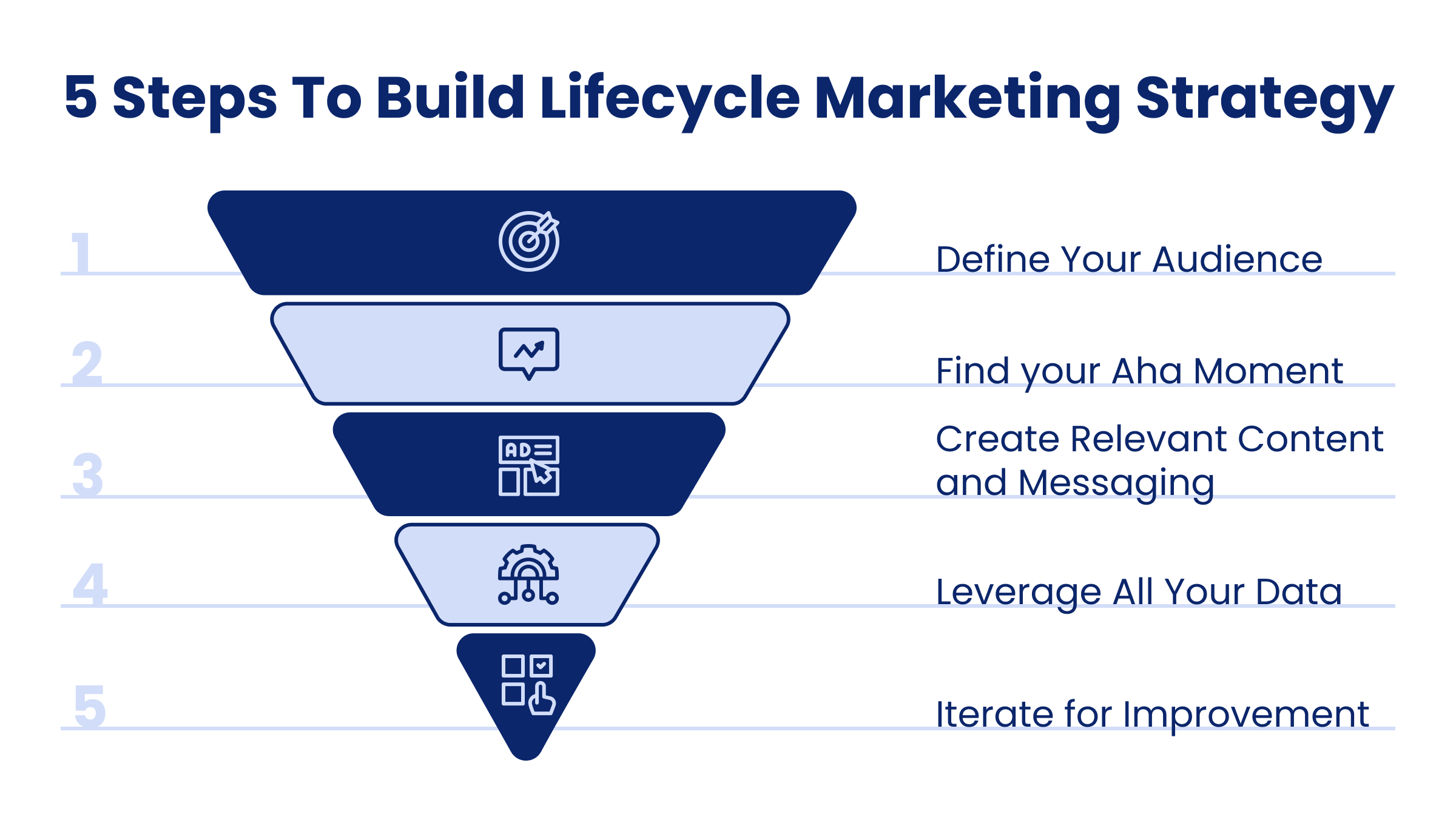
Step 1: Define Your Audience
Start by creating a detailed segmentation of your target customers. Identify demographics, behavior, and pain points to tailor your lifecycle marketing efforts. For ecommerce segment by roles and intent: first-time visitors vs. returning buyers, high-AOV VIPs vs. bargain seekers, category browsers (e.g., footwear vs. outerwear), and lifecycle signals like product views, wishlists, and cart abandonment. Create personas such as gift shoppers, repeat replenishment buyers, and seasonal trend seekers, then map how your product solves their specific needs (e.g., size/fit guidance, fast shipping, easy returns). Effective user segmentation prevents broad campaigns and enables targeted top-of-funnel tactics like paid social prospecting and SEO for high-intent category queries.
Step 2: Find Your Aha Moment
Identify the moment when your consumers realize the value in your product. This ’aha’ moment is the moment when a user understands and sees the value in your products for his or her use, which results in a greater involvement and long-term loyalty. Observe usage metrics, survey clients, or test onboarding paths for trends, such as how Facebook discovered that users who befriend a minimum of “7 Friends in 10 Days” are significantly more likely to stick around – a perfect case of data marketing leading to increased customer activity. Track things like feature interactions to drive users toward retention. Moreover, call out your retention to drive engagement and reduce drop-offs in initial user lifecycle stages.
Step 3: Create Relevant Content and Messaging
Develop content that is specific to each stage of the lifecycle marketing to engage with your customer. You may have a blog that educates for awareness, video evidence of the product for consideration, and a special offer to help maintain retention. When you can intelligently personalize your message, as an example, via Velocity technology, the content feels more conversational and can also fulfill multiple functions. Also, it is very important to provide users with personalized product recommendations to show them that the brand knows their taste and interests. While you’re producing this content, it’s important to connect to certain customer objectives and marketing channels each time. Then, as you develop and execute this content for all customers, you should aim for the best omnichannel marketing experience.
Step 4: Leverage All Your Data
Leverage purchase activity, app usage, customer support touchpoints, and all other aspects associated with a customer data platform (CDP) into a single perspective of customer profiles. Data such as first-party and zero-party data, will help with personalization and, importantly, during campaign design and delivery. This could include metrics like repeat-buy rates and calculating LTV to measure loyalty while avoiding issues such as unsegmented audiences. Using data for personalization across channels secures your brand has the opportunity to develop the right message delivered at the right time.
Step 5: Iterate for Improvement
Start simply, focus on one area and one phase, then expand with tests. You can A/B test your message, cohort analysis with your segments, and use holdout groups to measure your impact. Set the timing for the delivery to maximize relevance and personalize based on the actions your customers take (e.g., products they review, topical matter they might need to update). The iterative process of customer lifecycle marketing will foster increasingly sustainable growth, converting one-time buyers into customers and eventually advocates, providing ultimate client experiences related to refined loyalty programs.
Adhering to these five steps will turn your customer lifecycle marketing strategy into a powerful growth engine for sustainable business success.
Examples of Lifecycle Marketing
Here are some examples from popular brands that represent the utilization of a targeted approach to a specific lifecycle marketing stage.
Awareness - adidas “Time to Change Up” Trade-In Ad
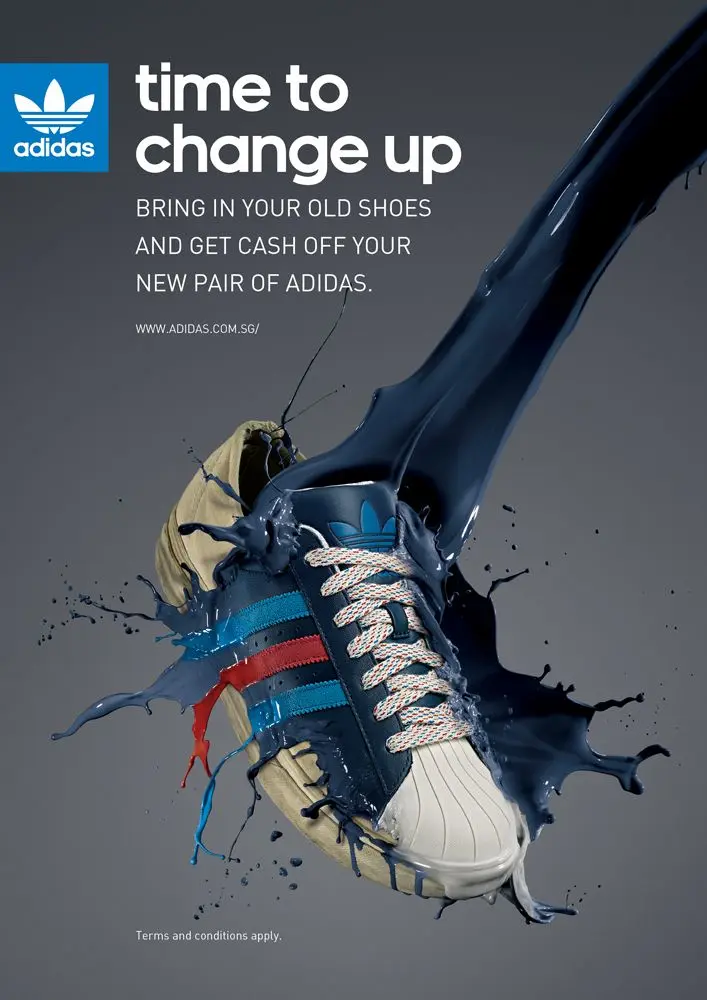
This promo nails top-of-funnel because it turns a universal trigger – old shoes – into a brand moment with clear upside: swap your worn pair, get a discount on new adidas. The distinctive assets (Trefoil, three stripes, bold shoe visual) make the ad instantly recognizable, so recall sticks even at a glance. The offer creates FOMO (limited-time, don’t miss the upgrade), while the trade-in mechanic signals responsibility – Adidas looks modern, circular, and confident in product quality. It’s broad enough to reach anyone in the category, yet specific enough to prompt memory at the replacement moment.
Consideration: Outside Magazine Newsletter
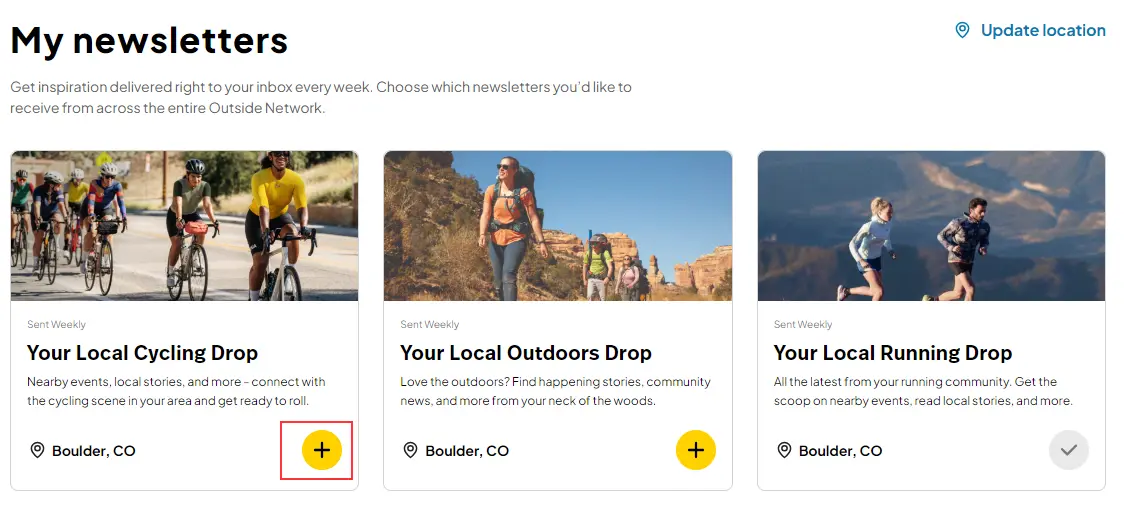
Outside Magazine’s newsletter (delivered daily) provides additional content to encourage readers’ future engagement after the first experience. By sending out complementary articles, deals and recommendations, Outside encourages readers to consider and come back again for future issues. This is an excellent case of great lead nurturing and customer engagement.
Conversion: Backcountry’s Promotional Offer
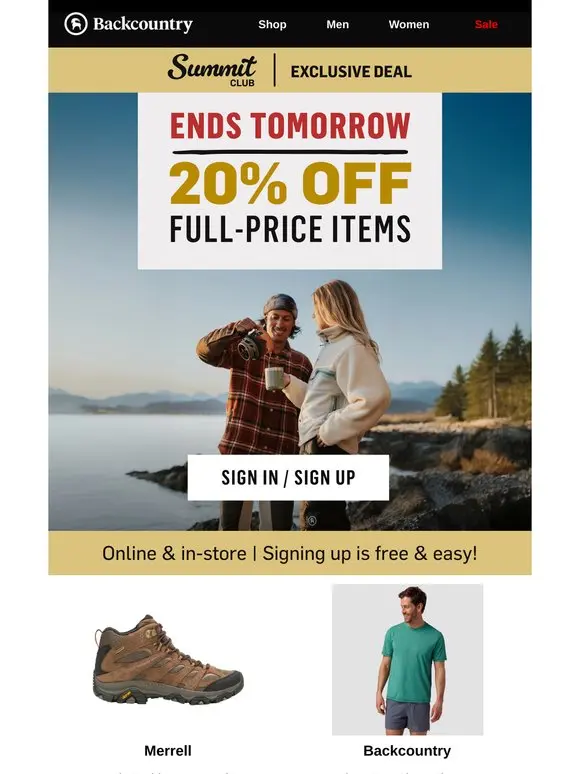
Backcountry’s email subject line, “Final Hours: 20% Off One Full Price Item,” attracts a targeted group of engaged customers ready to convert. This email would be directed at customers with prior touchpoints, such as receiving an email newsletter or abandoning a cart, and is an example of a targeted marketing campaign that uses urgency to move the prospect down the conversion funnel.
Retention: Sierra Club’s Earth Day Re-engagement
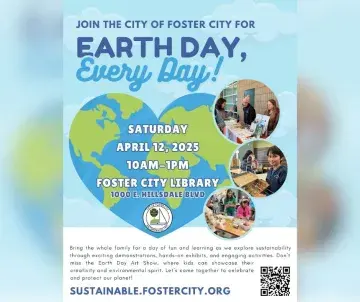
Sierra Club’s Earth Day email shares ideas for celebrating Earth Day, fundraising opportunities, and invites you to attend webinars featuring climate advocates. It is an excellent example of retention of an engaged donor. This campaign leveraged the shared values of the retained staff member to continue engagement, and the retention of current supporters of Sierra Club would support this initiative by donating.
Advocacy: Thirdlove’s Personalized Emails
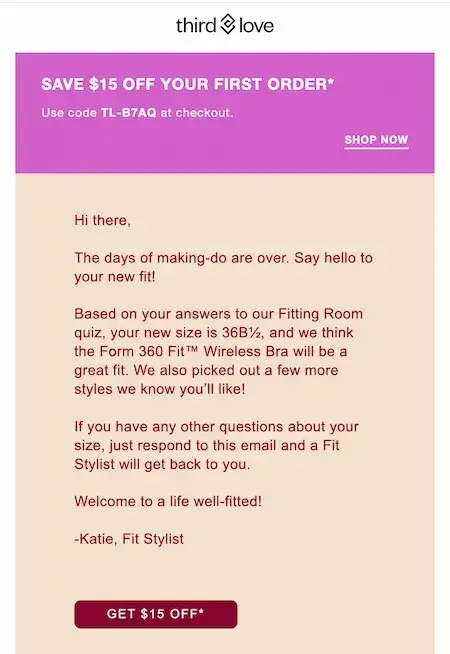
ThirdLove demonstrates personalized email campaigns that exemplify advocacy toward the end of the lifecycle marketing of the customer’s journey. They engage the customer by tailoring the product recommendations based on buying habits. Helping the customer feel special enhances the customer experience and LTV and can turn the buyer into a brand advocate.
Lifecycle Marketing Best Practices
The practices listed below can help create a seamless, personalized, omnichannel experience for prospects, turning them into advocates.
Aligning Marketing and Sales Teams
Ensure that marketing and sales teams are closely aligned in curating a consistent customer journey. Schedule regular joint meetings, leverage shared KPI goals, collaborate on training programs, and work together to provide consistent messaging across all touchpoints. Increasingly common, a POS for Magento 2 system helps connect the online and offline experience of the lifecycle marketing, enabling businesses to collect customer and loyalty data offline, and share that same data all in one place with their CRM or marketing platform. This enables cross-channel insights and improves targeting and engagement with customers. Businesses choosing an ecommerce platform can also explore a Magento vs Shopify comparison to understand which solution better fits their growth and personalization needs.
Segment and Target with Data
Utilize data-informed marketing to group audiences and segment demographics, purchasing behavior, or engagement. Tailoring personalized email campaigns or targeted social media ads to a specific audience’s needs creates stronger brand loyalty and repeat purchases. For example, recommending a few products to busy professionals while they browse in-store makes them feel more connected to the brand.
Deliver Stage-Specific Content
Provide engaging content specific to the lifecycle marketing stage the customer is in. Blogs for awareness, interactive tools for engagement, personalized recommendations for conversion, and customer loyalty programs for retention all help keep shoppers engaged and reduce customer churn. Tailored content strengthens all marketing touchpoints at every stage of the buying journey.
Utilize Advanced Tools
Adopt AI-powered CRM and analytics tools to automate segmentation, personalize content, and predict customer behavior, leveraging historical data to influence future interactions. These technologies enable brands to provide data-driven and consistent engagement across the entire lifecycle process. For businesses that sell in-store and online, eCommerce POS systems not only unify sales channels but also sales and marketing data to promote accuracy and consistency for every customer touchpoint. Now marketers can leverage real-time data and insights to create personalized and targeted campaigns that improve the customer experience.
Test and Optimize Continuously
A/B test your emails, CTAs, and/or landing pages and track your performance details, to track metrics like conversions and click-through rates. Use insights from your tests to refine future campaigns. For example, if a subject line performs well, use it as a template.. Continuous optimization allows businesses to reduce customer churn, provide more personalized experiences, and improve the entire customer journey.
Conclusion
Lifecycle marketing is foundational for developing long-term customer relationships in an increasingly fast-paced environment. It engages prospects as they move through awareness, engagement, conversion, retention, and advocacy, and provides a seamless and personalized journey to improve loyalty and growth. This is not just about one-time sales, but rather, building relationships and connections that you can develop with your customers.
Are you ready to change your strategy? Contact Yespo today for a consultation and lifecycle marketing strategies tailored to your business.