Direct Marketing
Direct marketing is a “simple but sharp” idea that never went out of style. Instead of shouting to everyone, you speak straight to the people most likely to care – and invite them to act.
What Is Direct Marketing?
Direct marketing is a way to promote goods or services by speaking directly to individual customers rather than using mass marketing methods like TV ads, which reach many people at once, or social media posts that don't target anyone in particular. A direct marketing message is meant for a specific group of people and is designed to get a measurable response, like a purchase, a signup, a call, a download, or a reply. You can keep track of the response rate, conversion rate, and effectiveness of your campaign with precision because there is always a clear call to action (CTA).
In practice, direct marketing sits between pure branding and pure sales. It can support brand awareness, but its main job is to move a person from interest to action with as little friction as possible.
How Does Direct Marketing Work?
Most direct marketing starts with a customer database. Brands collect contacts through permission marketing (opt-in) – signups, app registrations, checkout consent – and store them for future communication. Then they use customer segmentation to split that list into meaningful groups based on who people are and what they do. Data analytics and behavioral targeting help you spot intent signals such as repeated product views, abandoned carts, or declining engagement.
Once segments exist, you craft an offer and deliver it through a direct channel. The offer can be promotional (discounts, bundles, early access), informational (back-in-stock, price drop), or relational (birthday message, review request). You send, measure results, learn, and improve. Because every click or purchase can be tied to a specific message, this approach is data-driven marketing.
Good direct marketing also respects data privacy. People want value, not surprise. That means clear opt-out (unsubscribe) options and channel-specific rules, such as the CAN-SPAM Act for email and GDPR compliance in Europe. Trust is part of the conversion.
Types of Direct Marketing
Direct Mail
Direct mail is the original direct marketing channel – letters, postcards, catalogs, or packages delivered to someone’s home. It’s tangible, which makes it memorable in a way digital messages often aren’t. Today, it relies on database marketing: you send different offers to different segments, add personalized URLs or QR codes, and track who responds. It works well for high-value customers and win-back efforts.
Email Marketing
Email marketing is the backbone of direct marketing for ecommerce. It can be broadcast (promos, product drops, newsletter marketing) or triggered (welcome flows, cart abandonment, replenishment reminders). With personalization, direct marketing emails nurture customers over time and deliver tailored product suggestions.
SMS Marketing and Text Messaging
SMS direct marketing sends short, urgent offers to people's phones through text messages that they can see right away. This way of marketing works best when you need to make a quick choice. It's great for flash sales, delivery alerts, and reminders that need to be seen right away. A good text has one idea, one link, and one call to action. Texting is personal, so brands should limit how often they send messages, make it clear how to opt-in, and make the value clear.
Social Media Marketing via Direct Messages
Social platforms are often treated as broadcast spaces, but DMs turn them into direct marketing channels for service-led sales. Brands use a direct message to follow up on questions, share personalized coupons, re-engage someone who commented, or sort out support fast. If it feels like a real conversation, it converts.
Telemarketing, Cold Calling, and Door-to-Door Sales
Voice and direct selling are still direct marketing, just higher touch. Telemarketing and cold calling let you qualify leads and handle objections in real time. Door-to-door sales is the old-school version of the same idea. These tactics are expensive and intrusive if misused, so they make sense mainly for high-consideration products or B2B deals.
Direct Response Marketing
Direct response marketing is a sibling focused on immediate, trackable action. It can happen through mail, email, phone, digital ads, or even TV – as long as the response mechanism is measurable (a tracked landing page, code, or phone number). Most modern ecommerce direct marketing campaigns are also direct response marketing campaigns because they’re optimized from day one.
Push Notifications and In-App Messages
For mobile apps, direct marketing lives inside the phone, and each push is a direct marketing touchpoint. Push notifications reach users on the lock screen, while in-app messages show when someone is actively using the product. Both are perfect for time-sensitive nudges like cart reminders or price drops, and they get stronger when driven by real-time events.
Benefits of Direct Marketing
Measurable Results and Better ROI
Direct marketing is accountable. You can trace a click, purchase, or reply back to a specific message and segment, then calculate return on investment (ROI). If something underperforms, you’ll see it quickly and won’t waste another week repeating it.
Personalization That Scales
Because you’re working with a customer database and behavioral data, you can tailor messages to what a person cares about right now – categories viewed, products bought, or timing in the customer journey. Relevance nudges engagement up and keeps your brand feeling useful, not noisy.
Less Wasted Spend
Mass marketing sends the same thing to everyone and hopes for the best. Direct marketing narrows the field with segmentation and lead generation logic, so the budget goes to people with real intent. It helps teams test ecommerce business ideas and mature brands protect margins.
Speed and Flexibility
Direct marketing campaigns can launch quickly, pause quickly, and evolve quickly. You can run A/B tests on subject lines, offers, and timing, then let measurable results guide the next iteration. Over time, your direct marketing strategy gets sharper.
Stronger Feedback Loop
Replies, clicks, survey answers, and in-app reactions all count as customer feedback. This creates a learning loop: every campaign teaches you something about your audience, and the next one lands smarter.
Direct Marketing Best Practices
Start With Clean, Permission-Based Data
Direct marketing can’t outperform bad data. Collect contacts ethically, explain what people are opting into, and confirm consent where needed. Prune bounces and invalid numbers regularly.
Segment by Intent and Value
Use behavioral targeting to create direct marketing groups based on what people look at, buy, ignore, and come back to. Add value signals like the average size of an order or the amount spent over a lifetime. This lets you treat loyal customers like VIPs and help new customers pick their first item without being too pushy.
Keep the Message Single-Minded
A direct marketing message should do one thing well. Lead with the benefit, cut the fluff, and avoid stacking multiple offers. Clarity beats cleverness.
Make the CTA Frictionless
Put the CTA where it can’t be missed and make it the easiest path forward. If the action is “finish checkout,” link directly to the cart. If it’s “try the feature,” drop users into that exact screen. Fewer steps mean a higher response rate.
Personalize With Restraint
Personalized messaging is powerful, but don’t get creepy. Use data customers expect you to know: their name, last order, saved items, or loyalty status. Skip sensitive assumptions. Great direct marketing feels helpful, not invasive.
Coordinate Channels to Avoid Fatigue
Omnichannel marketing works when channels support each other. A typical journey might start with email, add SMS only if there’s no action, and use push for real-time moments. Respect frequency caps so your direct marketing stays welcome instead of overwhelming.
Stay on the Right Side of Compliance
Email compliance and texting rules are non-negotiable. Provide clear opt-outs, honor them immediately, and align consent flows with GDPR compliance and the CAN-SPAM Act. That protects trust and keeps campaigns deliverable.
Direct Marketing Examples & Use Cases
Abandoned Cart Recovery

A classic example of direct marketing is the abandoned cart flow. When someone adds items to a cart and leaves, you trigger a reminder with those exact items, maybe plus a small incentive. Leading ecommerce apps use both email and push for this because it catches shoppers while their intent is still warm.
Personalized Cross-Sells After Purchase
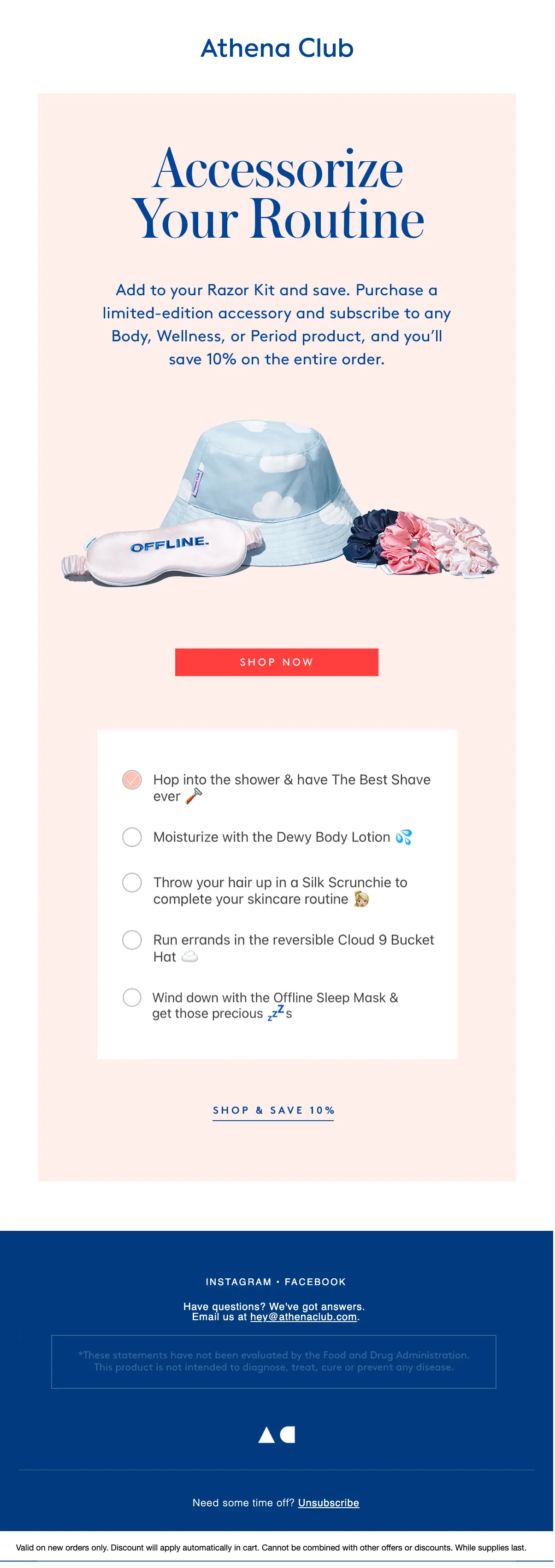
Many direct marketing examples come after checkout. A fashion retailer might email accessories that match a recent purchase. A grocery app could send a replenishment reminder right before staples usually run out. These campaigns work because they’re built on timing and real preferences, not guesses.
Reactivation for Lapsed Users

A fun "we miss you" push or a personalized email offer can bring someone back if they haven't been active in a while. To get things going again, brands often add a soft deadline, let you choose a product, or make you laugh.
Direct Mail Win-Backs
Physical mail can reset attention for people who ignore inboxes. Some stores send postcards with a personal discount or a teaser of new arrivals to previously active buyers. One retailer’s automated postcard win-back produced a strong lift in repeat orders, showing that print can cut through digital fatigue.
In-App Onboarding and Upsells

Apps use in-app messages to guide key actions, suggest upgrades, or reward milestones – onboarding checklists, “unlock premium” prompts, streak reminders, and so on. Because they appear in context, they feel more like help than ads, yet still drive measurable action.
Drive Your Direct Marketing with Yespo
Direct marketing becomes easier when data and channels sit within a single ecosystem. Yespo is an omnichannel platform designed for ecommerce. It collects real-time user actions from websites and apps, merges them into a single customer view, and makes that data usable for targeting.
You can run direct marketing across email, SMS, Viber, web push, mobile push, app inbox, and in-app messages from a single interface, and easily orchestrate direct marketing journeys with channel fallbacks.
Yespo’s advanced segmentation lets you create dynamic groups based on events, time windows, product views, purchase value, and engagement. Segments update in real time, so a shopper can enter a high-intent group minutes after browsing and receive a relevant offer before interest drops.

Personalization features build on that. Dynamic variables and merge tags automatically insert names, loyalty points, promo codes, or product blocks into messages. AI recommendations fill emails and in-app content with likely next items. The result is direct marketing that feels handcrafted at scale.
No-code automation rounds it out. You can set up welcome series, cart recovery, post-purchase follow-ups, and reactivation programs in minutes, all triggered by real user behavior tracked through events. That speed turns direct marketing into an always-on growth engine.
Final Thoughts
Direct marketing remains one of the most practical ways to grow ecommerce and app revenue because it’s personal, measurable, and flexible. Base your direct marketing on behavior and consent, and it stops feeling like advertising – it starts feeling like service.
Join Our Blog Newsletter!
Stay updated with our latest email marketing tips, product news and case studies.