Click to Open Rate
A quick glance at opens can make an email campaign look healthy, but opens don’t pay the bills. Click-to-open rate puts the spotlight on what happens after the open – and that’s where real engagement begins. It’s the difference between interest and intent.
What is click to open rate (CTOR)
Click-to-open rate, usually shortened to CTOR, is an email marketing metric that shows what share of people who opened your message went on to click a link inside it. It ignores everyone who never opened the email and focuses only on the audience that actually saw your content.
Think of it as a “post-open” engagement check. Your email open rate tells you whether the subject line got attention. CTOR tells you whether the email content, layout, and call-to-action (CTA) were convincing enough to make a reader act. Because it uses unique opens and unique clicks, this rate is a clean way to judge how relevant each delivered email felt to those who looked at it.
How to calculate click-to-open rate
The click-to-open rate formula is simple:
CTOR (%) = (unique clicks ÷ unique opens) × 100.
If 6,000 people opened an email and 720 clicked, your CTOR is (720 ÷ 6,000) × 100 = 12%. Always use unique clicks rather than total clicks, and make sure tracking is set up correctly so you’re not counting phantom interactions.
Why click-to-open rate matters
It separates subject line hype from content reality
Open rates can be flattering. A catchy subject line might spike opens even if the message itself is weak. CTOR removes that noise. Since only people who opened are counted, it tells you whether the body of the email was delivered on the promise of the subject. High opens with low CTOR? Your teaser worked, your email didn’t. High on both? You’ve nailed the full experience.
It shows how relevant your offer is to real readers
Because CTOR reflects behavior among opened emails, it’s a strong proxy for relevance. For ecommerce and retail brands, people click when a product set, discount, or story feels meant for them. Tracking click-to-open rate over time shows which themes – new arrivals, price drops, guides, loyalty perks – actually move your audience.
It helps spot targeting and segmentation problems early
If you’re investing in customer segmentation and email personalization, CTOR is your early-warning system. Segments that are too broad or stale tend to open out of habit but click less because the offer doesn’t match intent. When a specific group’s CTOR slides for several sends, you know it’s time to refresh the rules or rethink the message.
It’s a sharper read on post-open intent than CTR alone
Click-through rate (CTR) mixes two stories: how many people opened and how many clicked. CTOR cuts straight to intent after the open, which is closer to your conversion rate. A low CTR might just mean your list wasn’t interested enough to open. A low CTOR means even interested readers didn’t see a reason to act.
It stays trustworthy when opens don’t
Privacy features (such as Apple Mail Privacy Protection) have made the email open rate more uncertain. Some opens are triggered automatically. Click-to-open rate depends on clicks, which are still real actions, so it’s now one of the more dependable email marketing metrics for judging engagement.
Click-to-open rate vs. click-through rate (CTR)
They answer different questions
Email click-through rate measures clicks from delivered emails and shows how many people clicked compared to everyone you reached. Click-to-open rate measures clicks on opened emails and indicates how persuasive the email was to people who opened it. So CTR is about overall reach, while CTOR is about what happens inside the message.
CTOR is steadier when your list changes
If you’re growing your list fast, running newsletter marketing, or sending periodic email blasts, CTR can wobble because new subscribers behave differently from long-timers. CTOR stays steadier since it only looks at openers. That makes it better for comparing campaigns across seasons or audience swings.
CTR helps with pipeline health, CTOR helps with creative
A weak CTR can point to many issues, including email deliverability or poor targeting. A weak CTOR points mainly to creative and content problems: unclear CTA, cluttered layout, bland copy, or an offer that doesn’t fit the opener’s expectations. Put simply, CTR asks “did people get to the email and care?”, CTOR asks “did the email convince them to move?”.
What is a good click-to-open rate
There’s no universal magic number, but solid ranges exist. Across industries, average CTOR hovers around 5–6%, while top programs often land in the 10–15% band.
For ecommerce and retail email, a good click-to-open rate is usually a bit higher than the all-industry average because the emails are product-driven. Many brands view 6–9% as a healthy baseline for regular campaigns, 10–14% for automated flows such as abandoned cart or back-in-stock messages, and anything above 15% as outstanding.
Niches still vary. Fashion and beauty often hit 7–11% when styling or bundles are personalized. Electronics and home goods are more research-heavy, so 5–8% is common unless you’re using high-intent triggers. Consumables such as groceries, pet supplies, or cosmetics refills can reach 8–12%. Travel and B2B services frequently sit lower, around 3–6%, because buying cycles are longer.
Treat benchmarks as a compass, not a verdict. Your own good click-to-open rate is the one that climbs over time and stays consistent for comparable campaigns.
How to improve your click-to-open rate (CTOR)
Write for one person, not the whole list
Generic emails are CTOR killers. Even if they’re opened, they don’t feel urgent. Start with tighter segments – recent buyers, window shoppers, VIPs, category fans, lapsed customers – and tailor the offer to that group. When your message reads like a personal recommendation, engagement rises.
Make the core CTA impossible to miss
You don’t need ten links; you need one clear next step. Put a primary CTA high enough to be seen without scrolling, and repeat it once for skimmers. Use action-first language that matches your goal: “Shop the drop,” “See my picks,” “Get 20% off,” not “Learn more.” Clear CTAs lift post-open clicks fast.
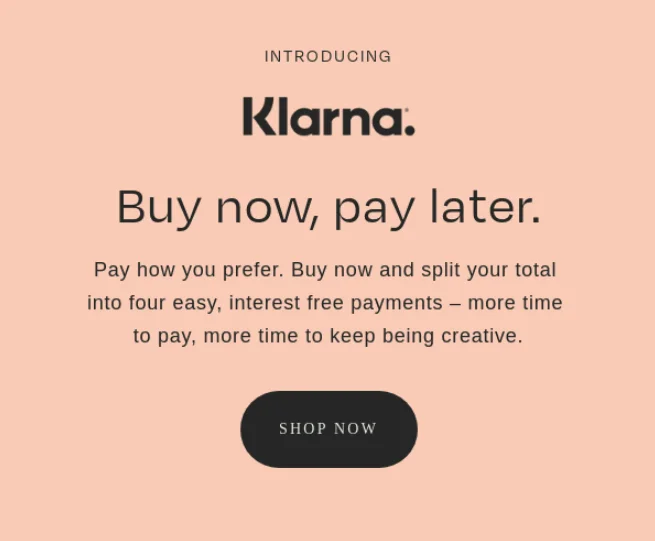
Align design with what the email must do
A launch email needs hero visuals and a direct path to products. A content email needs clean typography and obvious section breaks. A promo needs the deal front and center. Check spacing and tap targets on mobile, because most CTOR losses come from emails that are simply hard to navigate.
Personalize beyond the first name
Addressing someone by name helps, but behavior-based personalization helps more. Show products related to what a reader viewed, reminders based on purchase cycles, or categories they opted into. Use dynamic blocks so that different people see different items or prices. When customers recognize themselves in the email, they click.

Test changes that change minds
A/B testing isn’t only for subject lines. Try different hero products, headlines, CTA text, or item counts. Keep tests focused – one meaningful variable at a time – so wins are clear and repeatable.
Keep your list healthy and compliant
Low-engagement addresses drag down CTOR. Remove hard bounces, suppress chronic non-openers, and give subscribers easy preference controls. Stay on top of email compliance as well. A permission-based list is smaller but far more clickable.
Increase your click-to-open rate with Yespo
Yespo is an AI-powered omnichannel customer data platform built for ecommerce teams that want their emails to feel timely, relevant, and personal at scale. It unifies data from your site, app, and offline touchpoints into one customer profile, so you’re not guessing who your subscribers are.
Yespo collects identifiers like your customers’ email address and enriches them with behavior: product views, clicks, searches, orders, wishlist adds, and more. Web tracking and SDK/API events stream these actions in real time, letting you trigger messages the moment intent appears.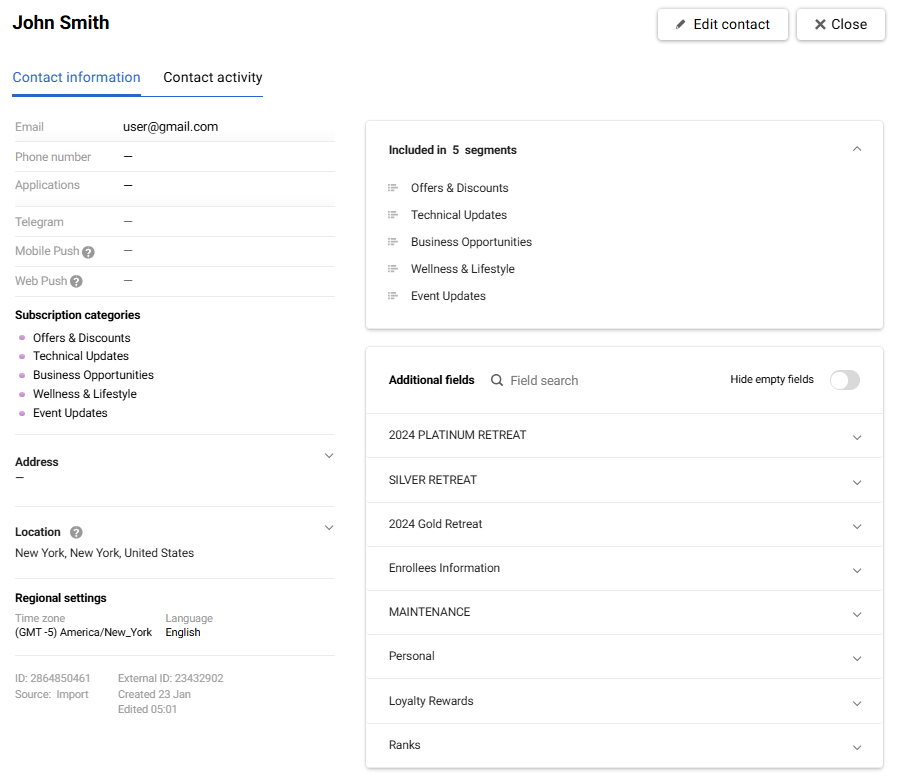
With advanced segmentation, you can build dynamic audiences such as “viewed running shoes twice this week” or “high-value shoppers who haven’t clicked in a month.” Groups update automatically, keeping targeting fresh without manual exports.
On the sending side, Yespo offers email campaigns, automation, and a responsive editor. You can insert merge tags and dynamic variables, add personalized promo codes, and pull in product recommendations, so each recipient sees content that fits their taste and stage in the journey.
Finally, Yespo analytics ties results back to segments and workflows. You can track CTOR by campaign or trigger, identify where engagement drops, and fix it quickly.
Final Thoughts
Click-to-open rate is the metric that keeps you honest. It shows whether your emails are worth clicking, not just worth opening. Watch it alongside open rate and click-through rate (CTR), learn from what it reveals, and remember that low-bounce emails keep every metric trustworthy.
Join Our Blog Newsletter!
Stay updated with our latest email marketing tips, product news and case studies.
Terms in the same category