Opt-In
That tiny checkbox can feel like nothing – until it becomes the start of a real customer relationship. Opt-in is where marketing stops guessing and starts earning attention.
What is Opt-In?
Opt-in is a consent model where a person proactively agrees to receive marketing communications from a brand. In other words, the user raises their hand first. This approach is the backbone of permission-based marketing because it treats contact details as something borrowed, not owned.
Done well, this model supports customer trust and customer loyalty. Done poorly – with vague language or sneaky defaults – it turns into the kind of “surprise messaging” people label as spam.
How Does Opt-In Work?
Most subscription journeys begin with a clear invitation and a choice. A visitor fills out a sign-up form, enters an email address, and confirms they want updates. You’ll see this on homepage pop-ups, checkout pages, account creation screens, and gated-content downloads.
A clean flow should make three things obvious: what content the person will receive, how often you’ll send it, and what data you’ll store and why (data protection and data privacy aren’t optional vibes – they’re expectations).
Some brands add a follow-up step, such as a confirmation email. When the subscriber clicks the link, you get a confirmed opt-in that’s easier to defend if anyone questions user consent later. It also filters typos, bots, and prank signups before they pollute your mailing list.
Benefits of Opt-In
A targeted audience that isn’t pretending
Opt-in helps you build a targeted audience of people who actually want the updates. That sounds obvious, but it’s huge: you’re starting with interest instead of interruption. You can grow slower and still win because the list is made of genuine email marketing prospects, not accidental contacts.
This also improves planning. When subscribers choose you, it’s easier to forecast demand, identify content themes that land, and create campaigns that feel relevant rather than random.
Stronger customer engagement and smoother journeys
When a person opts in, the relationship begins with control. They chose the channel and the topic, which makes them more likely to open, click, and reply. That lift in customer engagement is especially noticeable in the email customer journey, where timing and trust can matter as much as discounts.
There’s also a softer benefit: permission makes your brand feel more human. You’re not “showing up uninvited.” You’re following through on a promise.
Better deliverability and fewer deliverability disasters
Inbox providers watch recipient behavior closely. If lots of people ignore your messages or mark them as spam, your sender reputation drops. Permission lowers that risk because subscribers expect your content.
Email compliance becomes practical here. A strong consent process reduces complaints, protects deliverability, and helps you avoid the nightmare scenario – landing on a spam blacklist and watching even legitimate messages get blocked.
Higher conversion rate through clearer intent
A permission-based list carries intent. Subscribers may not be ready to buy today, but they’ve signaled curiosity. That typically leads to a higher conversion rate than cold outreach, especially when your messages stay aligned with what people thought they signed up for.
Types of Opt-In
Single Opt-In
Single opt-in is the easiest way to set up: the user fills out the form once and is instantly subscribed. It works quickly, without any problems, and can increase the number of signups.
The bad thing is that the lists and accuracy aren't very good. Typos, fake addresses, and malicious signups can get through, which can cause more bounces and hurt deliverability without anyone knowing.
Double Opt-In
Double opt-in adds a verification step. After submitting the form, the user receives a confirmation email and completes the signup by clicking a link. Double opt-in is useful when you want stronger proof of explicit consent and a cleaner list from day one.
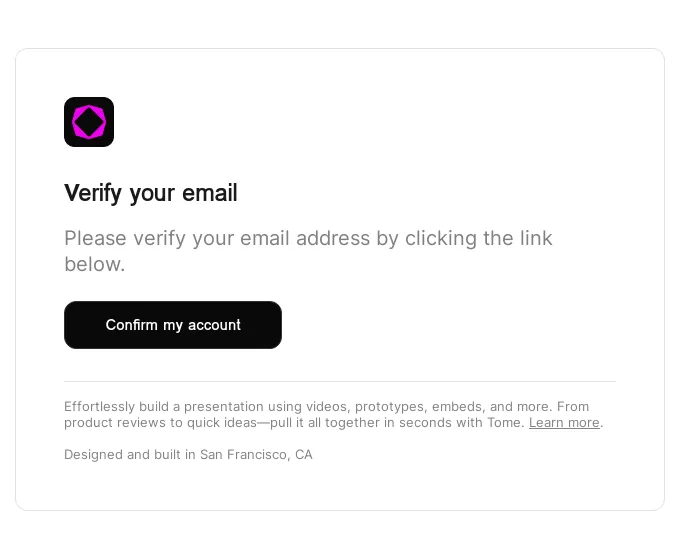
It’s not magic, though. If the confirmation email is boring or confusing, people drop off. The fix is simple: make the message short, set expectations, and explain why the extra step protects them and your brand.
Opt-In vs Opt-Out
Opt-in (the user chooses the relationship)
Opt-in requires an affirmative action, so it aligns with modern expectations around data privacy and respectful outreach. It tends to produce fewer complaints because subscribers remember saying “yes,” not wondering why you appeared in their inbox.
It also encourages better messaging. When permission matters, you think harder about what you send – and that usually improves quality.
Opt-out (default enrollment with an escape hatch)
Opt-out means people are included by default and can unsubscribe later. This might be a pre-checked box or a “we’ll send you offers unless you tell us not to” statement. Opt-out can grow lists quickly, but it often relies on implied consent, which is fragile. Recipients may feel tricked, even if the unsubscribe link exists.
In practice, opt-out increases the chance of complaints and list fatigue because the first message can feel unsolicited.
Why opt-in wins in the long run
Even where opt-out is technically allowed, opt-in is typically more user-friendly and easier to justify. It keeps your brand on the right side of trust, and it supports healthier metrics over time.
Opt-In and Data Privacy (GDPR Compliance)
There is a strong connection between opt-in and privacy laws because consent decides what you can do with personal data. GDPR (General Data Protection Regulation) says that consent must be clear, specific, informed, and given freely. That pushes brands to use clear language about consent and keep good records of when someone signed up, what they agreed to, and which version of the privacy policy they read.
GDPR doesn’t require one specific technical workflow, but many teams use double opt-in to help document consent. Other rules matter too. The CAN-SPAM Act focuses on truthful identification and an easy unsubscribe process for commercial emails. CCPA adds expectations around transparency and consumer rights, while SMS programs in some regions face stricter consent requirements (often enforced through industry standards and telecom policies).
If there’s one practical lesson: treat consent like a receipt. Store it, protect it, and don’t stretch it.
Opt-In in Omnichannel Marketing
Email opt-in and Email subscription growth
Email is the most common place where people expect an opt-in. They join a mailing list for offers, product updates, tutorials, or early access. Newsletter marketing is where the signup moment becomes your first promise – and the content you deliver determines whether people stay.
Online retail brands often tie that promise to convenience: restock alerts, price drops, and curated recommendations. When the message matches the expectation, subscribers don’t just tolerate emails – they look forward to them.
SMS and Push Notification Opt-Ins
SMS opt-in requires extra clarity because texts feel immediate and personal. People may opt in through an opt-in form, a checkout checkbox, or by texting a keyword. Set expectations about frequency and timing so the channel doesn’t turn into a constant buzz.
Push notification opt-in is shaped by device rules. On iOS and many apps, users must tap “Allow” before a single message can be delivered. That prompt is a high-stakes moment: ask too early, and you’ll get ignored; ask after you’ve shown value, and the “yes” feels natural.
Tracking permissions and opt-in moments
Opt-in also shows up in tracking permissions, such as app prompts that ask whether a user allows cross-app tracking. These consent screens have trained customers to expect transparency. If tracking is limited, smart marketers lean more on first-party data and creative testing instead of pushing boundaries.
Best Practices for Opt-In Marketing
Offer a clear reason to subscribe
People don’t opt in for “updates.” They opt in because they expect something worthwhile. Be specific about what they’ll get, and keep the promise. A strong value proposition can outperform flashy design because it answers the only real question: “What’s in it for me?”
Make the opt-in form easy and honest
Keep fields minimal, label checkboxes clearly, and avoid hidden permissions. If you want extra data for personalization, explain the payoff and make it optional. Every extra question should feel like it helps the subscriber, not just your segmentation.
Set expectations – then respect them
Tell subscribers what you’ll send and how often. If you change frequency, say so. Put consent language near the submit button, and link your privacy policy without burying it. Transparency reduces complaints, increases trust, and keeps engagement steady.
Use verification when it adds real value
If your acquisition sources are noisy, use a confirmation step to confirm the subscriber is real. If your sources are clean and you’re optimizing for speed, keep the process simple. The “best” method is the one that protects list quality without killing momentum.
Keep opt-out effortless
Unsubscribe should be one click, not a scavenger hunt. You can offer preference options, but never force them. When leaving is easy, fewer people choose the spam button out of frustration – and your reputation stays intact.
Avoid one-size-fits-all sends
Email blasts are tempting, but instead of pushing one-size-fits-all sends, build sequences based on behavior and timing. This approach creates a calmer inbox experience and a stronger relationship, because messages feel earned.
Final Thoughts
Opt-in is simple – ask clearly, send what you promised, and respect the person behind the inbox. When you treat consent like the start of a relationship, your marketing becomes more welcome, more measurable, and far more sustainable.
Join Our Blog Newsletter!
Stay updated with our latest email marketing tips, product news and case studies.
Terms in the same category
Email Compliance